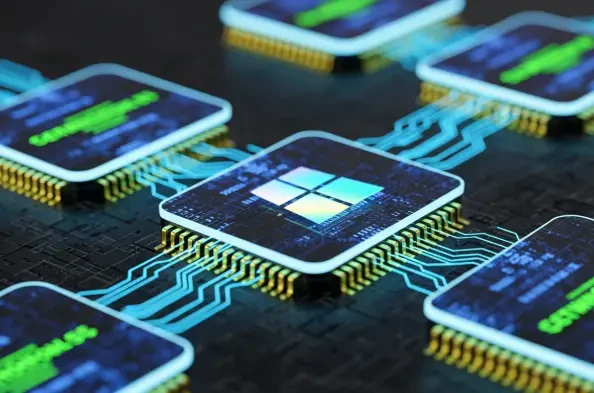
The foundational layer of trust that protects billions of personal computers from sophisticated boot-level malware is undergoing its most significant transformation since the inception of the modern Secure Boot standard. Microsoft is currently implementing a critical update to replace the legacy 2011 Unified Extensible Firmware Interface certificates with modernized 2023 versions across the global ecosystem of Windows devices. This generational refresh is not merely a routine patch but a mandatory requirement necessitated by the impending expiration of original security credentials that have served as the bedrock of hardware trust for over a decade. By updating these cryptographic keys, the industry aims to preserve the integrity of the boot process on hundreds of millions of PCs manufactured before the current year, ensuring they remain resilient against high-privilege threats. This transition marks a pivotal moment in cybersecurity history, as it addresses the core mechanism that prevents unauthorized code from executing before the operating system itself can load and initialize its primary defenses.
Modernizing the Cryptographic Foundation of Windows Hardware
The transition from the 2011 standards to the updated 2023 certificates represents a major technical leap in how hardware-based security is managed and maintained. These newer certificates are built upon significantly more robust cryptographic foundations, which are designed to withstand the increasing computational power available to modern threat actors. A primary feature of this modernization is the introduction of advanced Certificate Authority segmentation, which allows for a more granular approach to monitoring and updating the boot process. By isolating various stages of the trust chain, Microsoft and hardware manufacturers can effectively prevent a single point of failure from compromising the entire system. This structural improvement ensures that if one part of the boot sequence is targeted, the remaining layers of the foundational trust anchor stay intact and functional. This segmented approach is essential for maintaining a high level of security in a landscape where firmware vulnerabilities are becoming more common.
Furthermore, the longevity of these new certificates is a critical factor in the current stabilization of the global computing infrastructure. The original 2011 infrastructure lasted for nearly fifteen years, but the rapid evolution of digital threats necessitated a more resilient and long-lasting solution for the next decade of computing. By deploying these certificates now, the industry is effectively future-proofing hardware against known exploits while also setting the stage for smoother maintenance cycles in the years to come. This update ensures that the Secure Boot mechanism, which acts as a gatekeeper during the startup sequence, continues to verify only legitimate, cryptographically signed firmware such as operating system loaders and device drivers. Without this modernization, the aging infrastructure would eventually become a liability, as the older cryptographic methods lose their effectiveness against modern decryption techniques. This shift is a proactive measure to keep the hardware-based root of trust secure for all users.
Risks of Inaction and the Frozen Security Database
Failure to transition to the 2023 certificates before the established deadline presents a series of cascading security risks that could leave systems permanently vulnerable. While a computer will not immediately cease to function or become “bricked” once the 2011 certificates expire, the underlying security architecture becomes functionally frozen. When the UEFI Secure Boot certificates reach their expiration date, the system loses its critical ability to update its internal security databases, specifically the authorized signature database and the revoked signature database. These databases are essential for the computer to recognize and permit new, legitimate boot components while simultaneously blocking known malicious ones. Without the ability to update these lists, a PC becomes a static target, unable to adapt to newly discovered threats or incorporate hardware upgrades that require updated firmware signatures. This creates a dangerous security gap that hackers can exploit.
The primary danger in this scenario involves the rise of sophisticated UEFI bootkits, such as BlackLotus, FinSpy, and MoonBounce, which are designed to subvert security by loading at the earliest possible stage. Because Secure Boot is intended to initialize before the operating system bootloader, it is the only line of defense capable of stopping malware that operates outside the visibility of standard antivirus software. If the Secure Boot mechanism is unable to update its revocation list due to an expired certificate, it may continue to trust compromised or vulnerable firmware that should have been blocked. This loss of dynamic protection effectively nullifies the purpose of Secure Boot, turning a once-secure gateway into a legacy component that offers only a false sense of security. For users and organizations, maintaining an active and updatable security database is not just a recommendation but a necessity to defend against the evolving tactics used by modern cybercriminals.
Enterprise Deployment Strategies and Legacy Lifecycle Management
For enterprise environments, this certificate refresh poses a unique set of logistical challenges that differ significantly from the automated experiences of consumer-grade systems. While personal devices often receive these updates through standard background patching cycles, corporate IT administrators typically favor a staged approach to ensure system stability and prevent application conflicts. However, the critical nature of the Secure Boot expiration requires a departure from these cautious, delayed deployment schedules. Security experts are currently urging organizations to prioritize this specific update to ensure that all managed endpoints are secured before the legacy credentials lose their validity. The complexity of managing diverse hardware inventories across a large fleet means that any delay in applying the 2023 certificates could leave a significant portion of an organization’s infrastructure in a vulnerable state, unable to receive future firmware-level security enhancements.
The situation is further complicated for organizations still utilizing Windows 10, as the availability of this certificate refresh is tied directly to the operating system’s lifecycle status. Only those enrolled in the paid Extended Security Update program will continue to receive the necessary patches to migrate their hardware to the 2023 trust standard. For systems not covered by this program, the expiring certificates will not be replaced, leading to a gradual but permanent degradation of their security posture. To mitigate these risks, administrators are encouraged to use advanced validation tools, such as PowerShell scripts, to verify the certificate status across their networks. Microsoft has also integrated new visual indicators within the Windows Security app to help users and managers confirm that their systems have successfully completed the generational refresh. Taking these steps ensures that the hardware-based root of trust remains intact, providing a solid defense against the next generation of digital threats.
Proactive Verification and Strategic Hardware Auditing
The transition to the 2023 Secure Boot certificates was successfully navigated by organizations that prioritized early auditing and immediate implementation of the updated trust standards. Administrators identified that the most effective way to ensure long-term stability involved conducting a comprehensive inventory of all hardware assets to determine which devices required manual intervention versus those that handled the update automatically. By utilizing specific diagnostic commands to check UEFI certificate status, technical teams were able to pinpoint legacy systems that were at risk of becoming static targets. This proactive approach allowed for the seamless integration of new cryptographic keys without disrupting daily business operations, proving that a well-coordinated effort could mitigate the risks associated with certificate expiration. These actions protected the hardware-based gatekeeper from becoming a point of entry for sophisticated boot-level malware, maintaining the integrity of the startup process.
Moving forward, the primary focus for system maintainers shifted toward ensuring that all future hardware acquisitions and firmware updates adhered strictly to the new 2023 standards. Security teams implemented rigorous testing protocols for all new device drivers and boot loaders to confirm they were signed with the modernized credentials, thereby avoiding any compatibility issues with the refreshed Secure Boot database. This strategic alignment with updated security protocols ensured that the “generational refresh” served its purpose as a foundational reset for the entire ecosystem. Organizations that embraced this shift found themselves better prepared for the evolving landscape of cyber threats, as their systems remained capable of receiving critical security revocations and updates. The process concluded with a heightened awareness of hardware-level security, leading to a more resilient infrastructure where the root of trust is no longer a static element but a dynamic and constantly updated shield against unauthorized code execution.