
Change Management

The sheer velocity of modern software delivery has reached a point where the traditional constraints of syntax and manual logic entry are no longer the primary inhibitors of progress for high-performing engineering teams across the globe. As artificial intelligence continues to automate the heavy lifting of code generation, the industry is

The promise of autonomous systems has shifted from experimental pilots to a central business imperative, yet a profound structural disconnect threatens to stall progress for many global organizations. Recent industry data reveals a significant readiness gap where corporate enthusiasm for agentic technology often outpaces the technical and
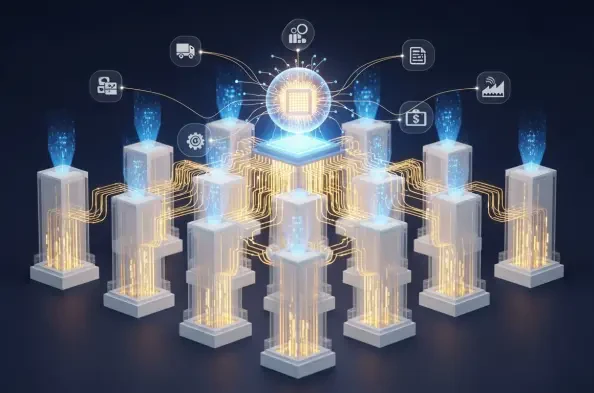
The strategic separation of a global powerhouse from its parent entity often creates a chaotic vacuum, yet for the Magnum Ice Cream Company, it represented a rare opportunity to bypass decades of technological debt. Following its 2025 spinoff from Unilever, the parent entity behind iconic brands like Ben & Jerry’s and Klondike initiated a "once in

The rapid integration of high-performance computing and expansive electric vehicle networks has pushed the American power grid into a period of forced evolution, where the speed of technological adoption significantly outstrips the development of defensive cyber protocols. This transition marks a departure from the legacy model of centralized

The strategic positioning of cybersecurity has shifted from a niche technical concern managed in isolated server rooms to a central pillar of corporate governance that determines a firm's long-term viability. This transition marks a fundamental change in how executive leadership perceives digital risk. In the current business landscape,
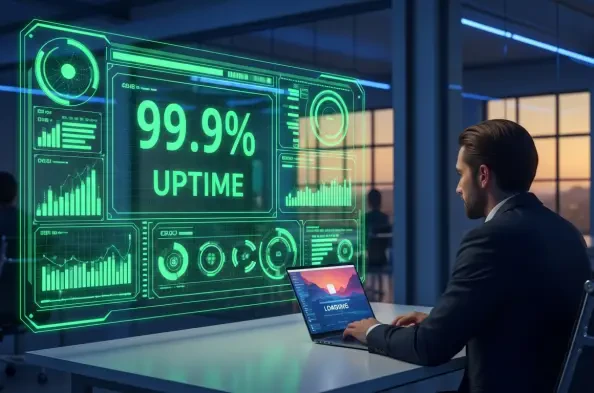
The stark reality of modern digital operations often reveals a confusing paradox where technical dashboards glow with successful indicators while the actual workforce remains paralyzed by persistent software glitches. This phenomenon describes a landscape where technical benchmarks are met with surgical precision, yet the end-users—the employees