
Change Management

The current overhaul represents a strategic effort to make the government’s cloud marketplace more transparent, secure, and efficient for all participants. As the flagship cloud security program undergoes a massive modernization effort, FedRAMP Security Director Nicole Thompson highlighted a significant challenge: stakeholders were often relying

The persistent fragmentation of enterprise data ecosystems is encountering its most formidable challenger yet as a unified semantic standard transitions from a niche experiment into a global industrial necessity. This shift is driven by the formal alignment of major cloud providers and platform vendors around Apache Ossie, an open-source
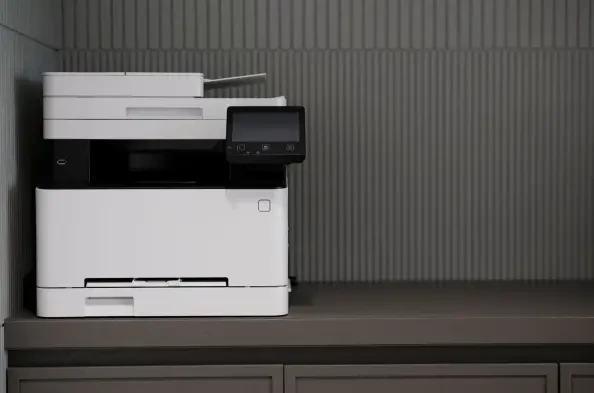
Information security teams frequently prioritize high-level risks while assuming that hardware manufacturers or general IT departments have already secured networked printing devices. This assumption often leaves a significant hole in the corporate perimeter, as these devices are essentially powerful computers equipped with their own operating

Cybersecurity analysts have uncovered a critical vulnerability in how Microsoft Defender Antivirus is managed and monitored via registry based policy settings. In the current landscape of 2026, threat actors are increasingly abandoning high-profile disruptions in favor of a more surgical approach known as defense impairment. This evolution

The addition of continuous delta-based replication ensures that critical business data remains synchronized across multiple sites with minimal administrative overhead. As enterprises transition heavy-duty virtual machine workloads from traditional hypervisors like VMware to Red Hat OpenShift Virtualization, the demand for sophisticated native
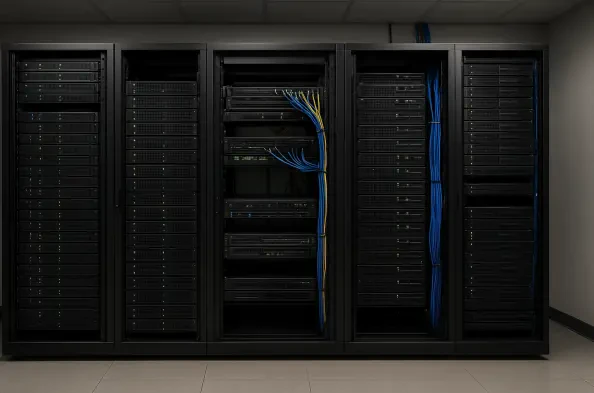
Most backup migrations stall for months because engineers must manually reconstruct retention policies across multiple consoles and fragmented tribal memories. This organizational inertia often stems from a fundamental misunderstanding of the migration's scope, treating it as a simple software swap rather than a complete overhaul of data