
Change Management
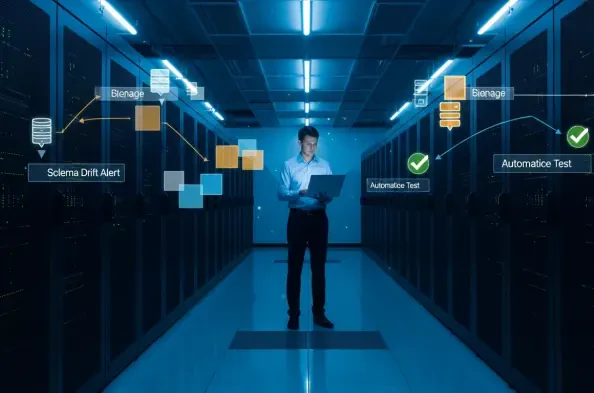
Enterprises pushing AI from pilot to production are discovering that apparently serviceable data estates conceal years of shortcuts and mismatches that modern models expose at machine speed and unforgiving scale, turning minor inconsistencies into recurring failure modes that drain budgets and stall programs. The pattern is strikingly consistent:

When payroll approvals freeze behind a lagging SSO prompt and a video call drops as the VPN renegotiates keys, the business does not pause, it hemorrhages time, trust, and momentum across teams and customers. These aren’t headline-grabbing outages; they’re the routine stalls that creep into daily workflows—crashing collaboration apps, delayed MFA

Many corporate initiatives that receive unanimous executive approval today will eventually vanish into the bureaucratic ether long before they generate a single cent of measurable value for the organization. This phenomenon, often referred to as the approval trap, represents a deceptive phase in project management where the celebration of a green
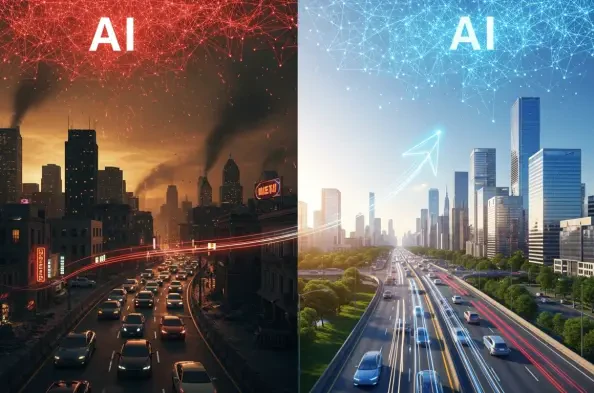
The current surge in enterprise-wide generative AI deployment has forced a reckoning between the aggressive timeline of business innovation and the conservative mandates of corporate risk management. Chief Information Officers find themselves at a critical crossroads where the pressure to deliver transformative productivity gains through large

The quiet humming of modern servers often masks a frantic reality where high-performing engineers are sacrificing their nights to manually calibrate unpredictable algorithms that technically do not exist on their official task lists. While the public discourse centers on the existential threat of artificial intelligence replacing the human
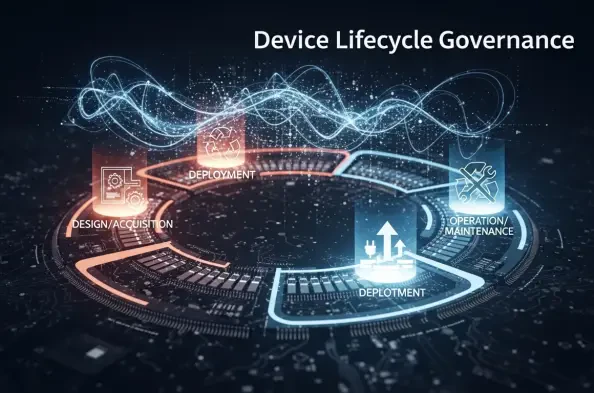
The traditional practice of squeezing every last drop of utility out of an aging laptop has transformed from a frugal business habit into a dangerous operational liability. Organizations that once viewed hardware as a static asset to be owned until failure are now finding that this reactive stance creates massive bottlenecks in productivity and