
Change Management

The global corporate landscape is currently witnessing a tectonic shift as artificial intelligence transitions from a series of isolated experiments into the bedrock of industrial-scale operations. This evolution is moving at an unprecedented pace, with organizations racing to construct massive AI factories that can handle the sheer volume of data

The digital landscape currently navigates a profound transformation in how vulnerabilities are identified, exploited, and managed, a shift primarily driven by the advent of highly sophisticated artificial intelligence models like Anthropic’s Mythos. This transition represents a departure from traditional, human-led security protocols toward a
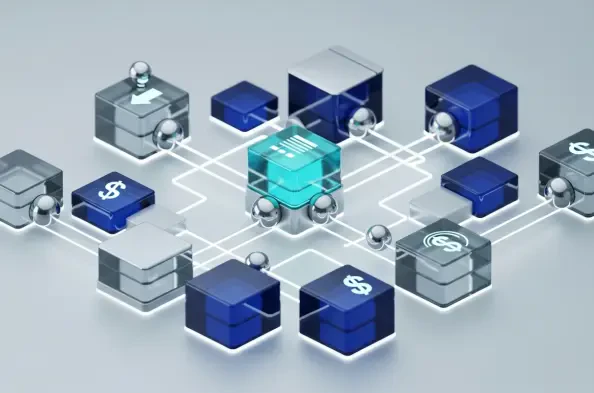
The once-sturdy walls of the traditional corporate hierarchy are beginning to crumble as boardrooms across the globe trade human oversight for the ruthless efficiency of autonomous intelligence. By 2028, the traditional corporate structure will be unrecognizable as 80% of CEOs move beyond simple digital tools toward fully autonomous business
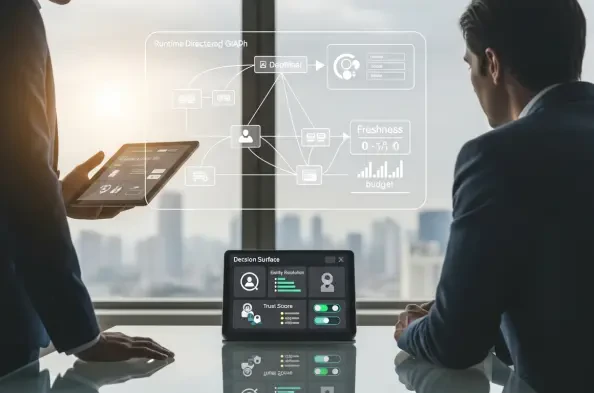
Executives kept betting that more parameters, bigger clusters, and clever prompts would redeem underperforming AI initiatives, yet real-world results kept slipping because models did not know the business and organizations did not run agents with guardrails at scale. The issue was not intelligence in the abstract but missing enterprise
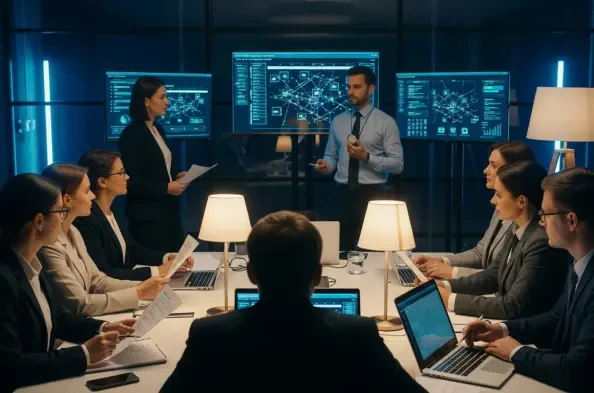
Thesis and Research Questions: Culture as the Decisive Differentiator Confidence in resilience often rests on the wrong pillar when leaders presume more tools guarantee safety, yet incident after incident shows that leadership clarity, culture, and governance decide who bends and who breaks. The central claim examined here is simple but

Boards demanded tangible AI wins while governance, budgets, and real-world references lagged behind hype-fueled timelines, and that collision of urgency and uncertainty left many technology leaders juggling speed with safety in ways that stalled momentum as often as they sparked it. The strain showed up in planning rooms and steering committees: