
Change Management

The traditional boundary between software vendor and corporate client has dissolved as enterprises realize that complex artificial intelligence cannot be installed with a simple download or a cloud login. As mission-critical systems shift from experimental novelties to the very backbone of corporate operations, the Forward Deployed Engineering
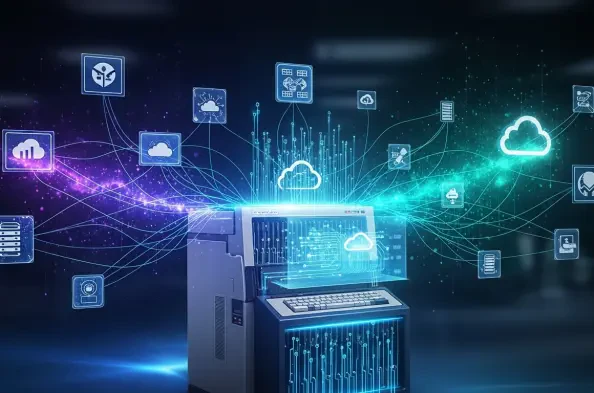
High-stakes enterprise computing is undergoing a silent transformation where the massive, room-sized processors once dismissed as relics are now the essential bedrock of the artificial intelligence revolution. For decades, the narrative surrounding the mainframe was one of inevitable decline, a slow fade into obsolescence as agile cloud providers

The unprecedented arrival of a security update containing nearly fifteen hundred unique fixes represents a transformative moment in how global enterprises must approach the defense of their critical digital infrastructure. In July, Oracle released a Critical Patch Update that represents a watershed moment in enterprise security, dwarfing all
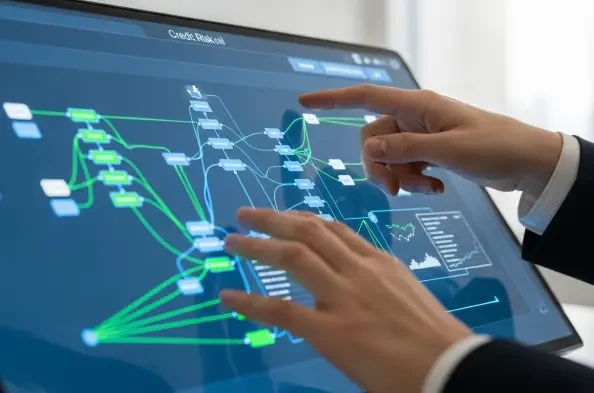
The rapid digitization of India’s financial landscape has necessitated a fundamental shift in how regulatory bodies perceive the massive streams of information flowing through banking servers every single day. The Reserve Bank of India recently introduced a comprehensive Data Governance Framework that officially transitions the industry away from
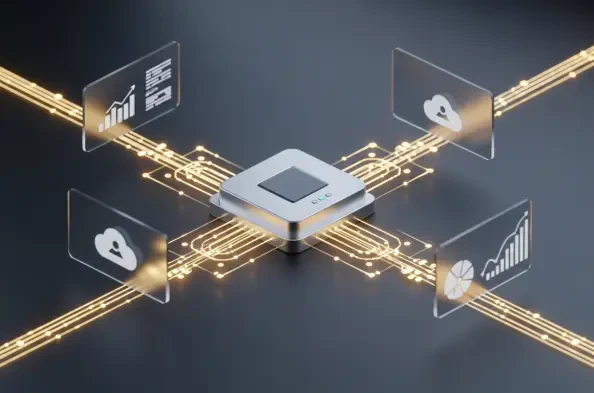
The rapid expansion of distributed computing has forced modern security teams to confront a fragmented reality where data and workloads are scattered across an increasingly complex web of cloud providers and specialized artificial intelligence services. As enterprises move away from centralized on-premises data centers, the resulting operational

The recent shift in the global business environment reflects a profound maturation of how organizations perceive and integrate artificial intelligence into their core operations. Over the last eighteen months, the initial rush to adopt generative tools has been replaced by a sober evaluation of what it means to rely on a technological stack that