
Change Management

The transition of artificial intelligence from a passive coding assistant to an autonomous agent capable of orchestrating complex software development tasks has fundamentally disrupted the traditional velocity of the Software Development Life Cycle. This paradigm shift introduces a significant velocity gap where the sheer speed of AI-driven code

The ambition required to dismantle the digital nervous system of a global food titan is rarely seen in corporate boardrooms, yet Magnum Ice Cream has done exactly that to reclaim its future. Following its 2025 spinoff from Unilever, the organization—which manages iconic brands like Ben & Jerry’s and Breyers—decided that true independence required

Introduction The enterprise landscape is currently witnessing a paradoxical struggle where the allure of cutting-edge automation meets the stubborn resilience of legacy hardware that has powered global commerce for half a century. While the promise of artificial intelligence offers a tempting shortcut to digital transformation, recent industry

In the silent, climate-controlled corridors of modern data centers, a fundamental shift has occurred where autonomous digital agents now generate eighty percent of new database structures, signaling a permanent departure from the era of human-centric engineering. This startling transition marks the end of the data warehouse as a mere historical

Organizations are currently facing a paradox where the technological ability to create autonomous agents has far outpaced the organizational capacity to govern and scale them effectively. While the initial wave of artificial intelligence focused primarily on answering questions and summarizing documents, the current shift toward agentic systems
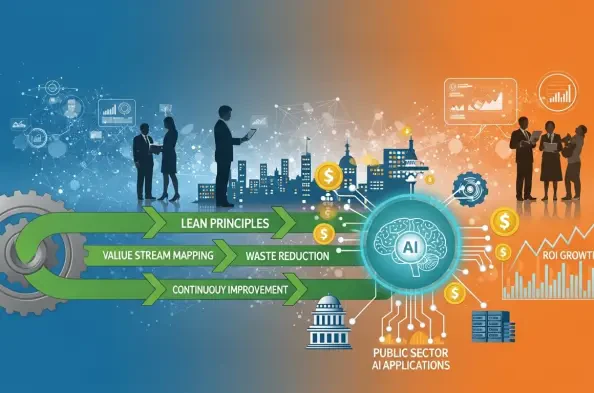
Corporate boardrooms across the globe have reached a critical inflection point where the initial fervor of artificial intelligence experimentation must now surrender to the cold, hard metrics of financial sustainability and measurable performance. The transition from broad experimentation to the strict fiscal accountability of usage-based pricing