
Cloud Security
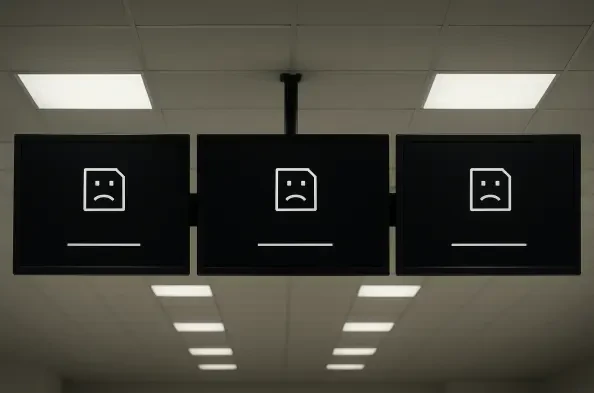
The digital landscape shifted fundamentally when a simultaneous blackout of major AI providers proved that the intelligence layer is as vulnerable as any other utility. As businesses transition from using generative AI as a simple drafting tool to deploying agentic assistants that manage autonomous operations, they inadvertently build a house of

Financial organizations now experience significantly higher phishing investigation rates than global benchmarks due to their heavy reliance on cloud-based vendor sharing. As the digital landscape shifts toward integrated software-as-a-service ecosystems, attackers have largely abandoned the practice of registering obviously malicious domains.

The integration of governed mission data with secure infrastructure has become the essential prerequisite for achieving a measurable return on mission for federal agencies. As we move through this current technological landscape, the shift from experimental pilots to full-scale operational deployment requires more than just raw processing power;

The professionalization of the AI assurance market is accelerating as industry leaders seek to prevent the fragmentation of security standards for agentic systems. In the current landscape of 2026, the transition from simple generative models to complex, autonomous agents has forced a total re-evaluation of digital trust across the enterprise

Standard cloud backups for WhatsApp and iMessage often create a security gap where messages are briefly unencrypted and vulnerable to interception during the transit process. While end-to-end encryption suggests that only the sender and recipient can read a message, the reality of digital infrastructure is complex. Users often rely on default

The distribution of business-critical applications is now spread across a fragmented landscape where half of all assets remain in on-premises data centers. As enterprises scramble to integrate generative artificial intelligence and high-performance computing into their core workflows, the architectural complexity has surged beyond the capabilities