
Data Minimization Techniques

Every state government acts as a primary custodian of personal information, necessitating a nationwide shift toward formalizing data sovereignty as a core pillar of governance. In the current landscape of 2026, the Nigeria Data Protection Act has moved from a federal guideline to a mandatory framework that requires full domestication across all
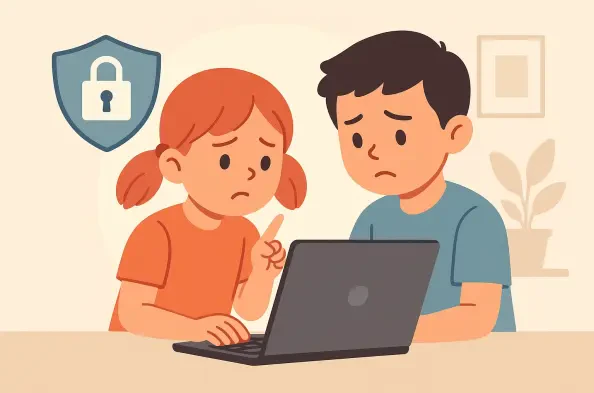
The act requires that direct messaging between adults and minors be disabled by default, with narrow exceptions for verified parents and unambiguous consent. This transformative legislation, signed into law by Governor Mikie Sherrill on August 11, 2026, represents a fundamental shift in the state's approach to digital governance. By codifying the

Anonymizing prompts by removing names and financial details remains the most effective way to mitigate the inherent risks of using public generative AI services. The rapid ascent of generative artificial intelligence has fundamentally altered how we interact with technology, mirroring the profound impact of the smartphone era earlier this decade.

The architecture of the application minimizes the risk of credential theft by completely removing the need for usernames, passwords, or any other form of sensitive authentication. In a digital landscape where data breaches have become an almost daily occurrence, this design choice positions the mobile experience as a fortress for personal

Despite Flock Safety’s new seven-day data retention standard, many existing law enforcement customers retain the right to maintain their current 30-day storage windows. This contractual flexibility highlights a growing tension between modern surveillance capabilities and the increasing public demand for data privacy in 2026. Automated License
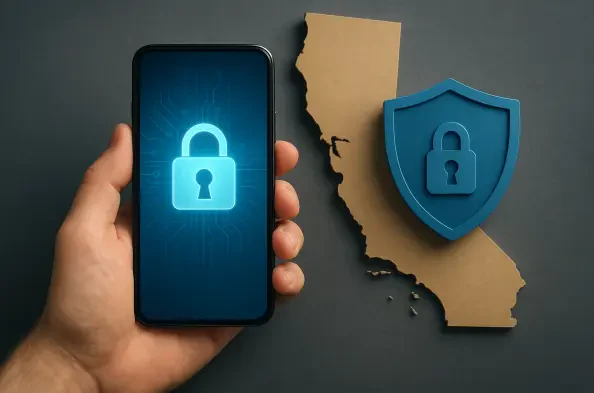
The digital shadow following every modern consumer is supposed to be manageable through a suite of robust privacy protections, yet the reality behind the curtain suggests a far more chaotic environment. UC Irvine researchers recently tested the compliance of California’s data broker registry by sending deletion requests to every reachable firm