
Emerging Data Security Technologies

A disaster recovery plan that has not undergone high-fidelity simulation is merely a document rather than a functional strategy for survival. This stark reality defines the current healthcare landscape in 2026, where digital infrastructure is the lifeblood of clinical operations. When a hospital network architecture collapses, the ripple effects

Traditional security protocols focusing on encryption at rest and in transit often leave a critical vulnerability when enterprise AI models must decrypt sensitive data in memory to function. This technological gap has historically forced organizations to choose between maintaining absolute data privacy and leveraging the full capabilities of

Sophisticated automated scripts and bots were deployed to extract massive amounts of intellectual property from high-end artificial intelligence models. This specific methodology defined the mid-October 2026 security breach of the OpenCode Console platform, marking a pivotal moment in the evolution of cyber threats within the artificial
National security systems face a strict January 1, 2027, deadline to adopt ML-DSA-87, signaling the end of classical RSA dominance in government procurement. This shift is not merely a bureaucratic adjustment but a fundamental architectural change in how trust is established across the global digital landscape. As of October 2026, the transition

Defenders must now shift from traditional signature-based detection to behavioral analysis to counter the threat posed by modular, post-quantum encrypted malware. This requirement stems from the emergence of Operation FlashHole, a sophisticated intelligence-gathering campaign conducted by the Lazarus Group throughout the current year. By focusing
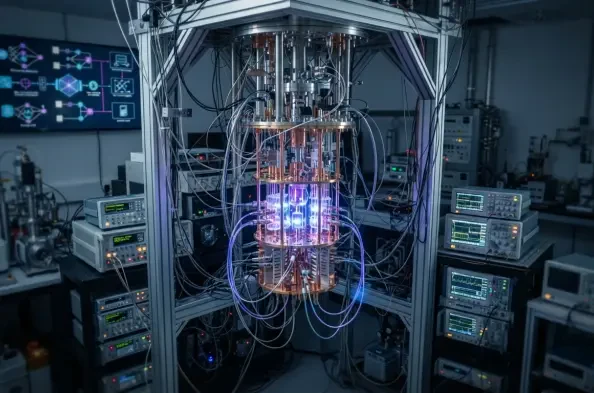
In order to prevent the efficiency mismatch attacks that plague device-independent frameworks, the researchers established a strict detection-efficiency threshold for the receiver's equipment. This foundational step is part of a broader breakthrough in quantum communication achieved by a team at the Beijing Academy of Quantum Information Sciences.