
Endpoint Security

Vernon Yai is a sentinel in the digital landscape, a data protection expert who has spent years deciphering the complex dance between security protocols and evolving threats. As a thought leader in data governance and risk management, Vernon brings a nuanced perspective to the constant struggle of safeguarding sensitive information in an

Deep within the digital architecture of the modern corporation, a silent revolution is currently unfolding as autonomous software entities execute complex data maneuvers entirely beneath the visibility of traditional administrative dashboards. These "headless" agents represent a departure from the user-facing chatbots that defined the early days

The modern internet user interacts with a dozen Google services daily without ever pausing to consider the massive amount of metadata being generated through those routine actions. From the precision of a morning commute mapped out in real time to the convenience of a pre-filled search query, these efficiencies rely on a complex network of
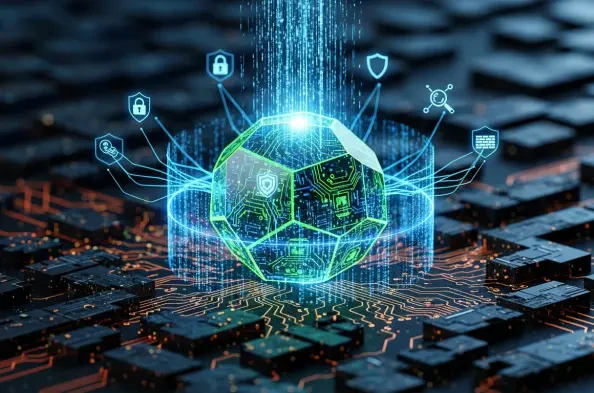
As legacy infrastructure crumbles under the weight of exponential data growth, the emergence of agentic artificial intelligence has forced a total reevaluation of how global enterprises defend their digital perimeters. The AI-Driven Enterprise Security framework represents a pivotal shift in the cybersecurity landscape, moving away from isolated
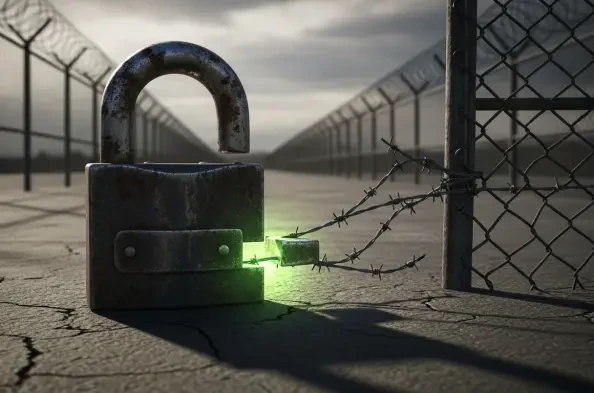
Most security leaders believe they understand the breadth of their digital footprint, yet the statistical reality of modern enterprise infrastructure reveals a staggering and persistent disconnect between perceived protection and actual vulnerability. This gap represents more than just a minor technical oversight; it is a fundamental

The sophisticated digital forensics landscape has reached a point where even strict international bans on advanced surveillance software fail to prevent authoritative regimes from accessing private encrypted data. When law enforcement agencies in Moscow successfully decrypted the mobile device of a high-profile political activist, the forensic