
Privacy Principles & Compliance

Compromised guest Wi-Fi providers or smart-TV vendors can grant attackers a backdoor into the core infrastructure of a hotel’s internal network. This alarming reality highlights a systemic shift in the hospitality landscape, where the traditional focus on physical security has been eclipsed by the necessity of digital perimeter defense. As

The architecture of the application minimizes the risk of credential theft by completely removing the need for usernames, passwords, or any other form of sensitive authentication. In a digital landscape where data breaches have become an almost daily occurrence, this design choice positions the mobile experience as a fortress for personal

American Bar Association guidelines now caution legal professionals that the use of generative AI tools is only permissible when absolute security for client information can be guaranteed. This standard is currently driving a massive overhaul in how the energy sector manages its digital infrastructure and sensitive regulatory data. As

Large enterprise datasets often exceed the capacity of standard masking dictionaries, requiring the use of appended numeric suffixes to maintain uniqueness and data integrity. In the landscape of 2026, the proliferation of sensitive information across distributed systems has made Test Data Management a cornerstone of cybersecurity strategy.

Despite Flock Safety’s new seven-day data retention standard, many existing law enforcement customers retain the right to maintain their current 30-day storage windows. This contractual flexibility highlights a growing tension between modern surveillance capabilities and the increasing public demand for data privacy in 2026. Automated License
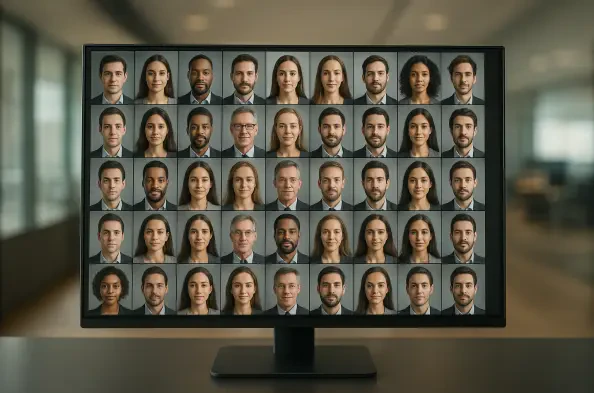
The digital ghost of a person's identity is often marketed as a high-tech tool for safety, yet when that security fails, the physical features that make individuals unique become permanent liabilities in the hands of unknown actors. ClarityCheck, a platform specializing in reverse-lookup and "secure" identity searches, recently demonstrated this