
Risk Management
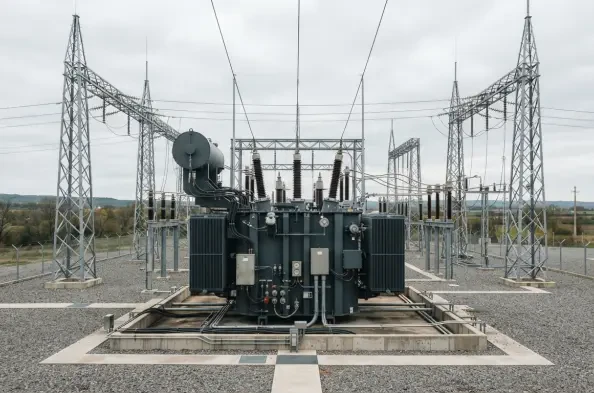
The integration of the Common Vulnerability Scoring System with asset evaluation provides a continuous mathematical quantification of a power network's overall security posture. As modern electrical grids transition into 2026, the shift from traditional analog systems to highly digitized, interconnected networks has accelerated the deployment of

Integrating network, cloud, and security into a single unified platform is no longer a luxury but a fundamental requirement for survival in the current threat landscape. In 2026, the rapid integration of artificial intelligence into the business world has created a stark imbalance between technological adoption and the establishment of formal

Forensic analysts from Palo Alto Networks Unit 42 determined that financially motivated actors aimed to monetize stolen API keys through illicit gateways. This breach underscores the precarious balance between rapid innovation in artificial intelligence and the fundamental security hygiene required to protect high-value computing resources. As

Artificial intelligence now monitors dynamic behavioral signals at kiosks to identify indicators of distress or coercion that traditional static data might overlook. This technological advancement arrives at a critical juncture for the cryptocurrency industry in 2026, where the convenience of physical access points often clashes with the

Correlating malware attributes identified in breach telemetry with external repositories like MalwareBazaar enhances the depth of empirical cybersecurity investigations. The Verizon Data Breach Investigations Report (DBIR) stands as a foundational pillar in this empirical landscape, providing a macro-level perspective on the global threat

The integrity of digital healthcare archives relies on a delicate balance between system modernization and rigorous administrative oversight to prevent the accidental erasure of vital historical information. Recently, the Nottingham University Hospitals NHS Trust faced a catastrophic breakdown in this balance when a significant portion of its