
Risk Management
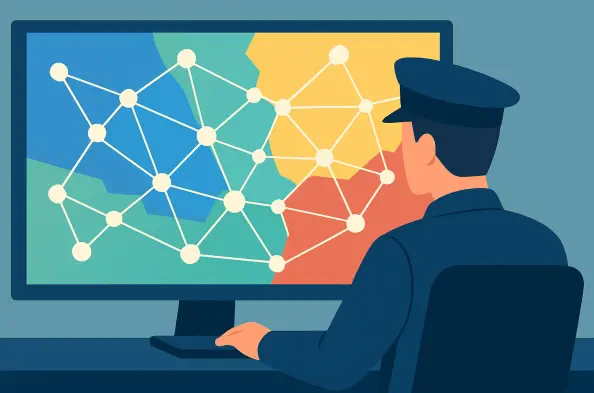
Lean cybersecurity teams often struggle to govern AI adoption because employees frequently experiment with embedded AI features before formal usage policies are established. In 2026, state and local agencies face an unprecedented dual pressure to modernize public services while safeguarding an ever-expanding volume of citizen information. As

Companies like Avast and Avira strictly limit their free security editions to personal use to protect their primary commercial revenue streams from cannibalization. This strategic restriction highlights the fundamental tension between accessibility and profitability in the modern cybersecurity market. For many top-tier security vendors, offering a

While an IBAN alone is generally insufficient for direct withdrawals, its combination with business contact details allows for the distribution of malicious documents and fake bills. This reality became a central focus for Eurofiber France on October 14, 2026, when the telecommunications and cloud services giant identified an unauthorized

Managed service providers and their downstream customers were the primary targets of the automated scripts launched from the 144.172.64.128 infrastructure on October 14, 2026. This sophisticated supply-chain attack exploited the trust inherent in the ConnectWise Cloud Backup ecosystem, specifically targeting application identities formerly
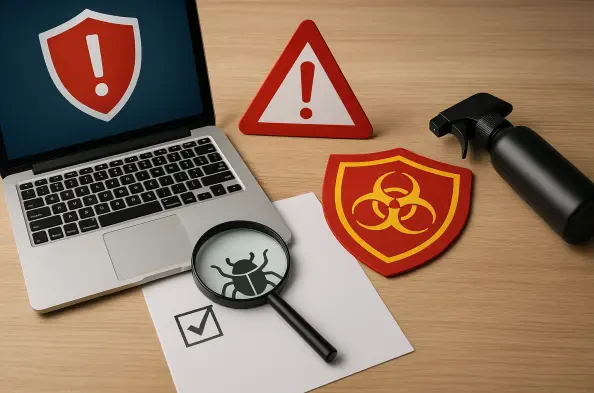
Installing every bundled feature without evaluation can lead to system bloat, especially if a user already possesses a superior standalone password manager or VPN. In the current digital landscape of 2026, cybersecurity has evolved far beyond the simple virus scanners of previous decades, yet the fundamental errors individuals make during

Ruggedized hardware is now essential for utilities and industrial factory floors where security must be deployed in environments lacking climate control or traditional wired infrastructure. As AI applications and agentic workflows dominate enterprise operations in 2026, the volume of generated traffic has reached levels previously unseen in