
Secure Data Transfer

Vernon Yai is a distinguished authority in the realm of data protection, known for his rigorous approach to privacy governance and risk management. As a thought leader who has spent years navigating the intersection of innovation and security, he specializes in developing the detection techniques necessary to safeguard the world’s most sensitive
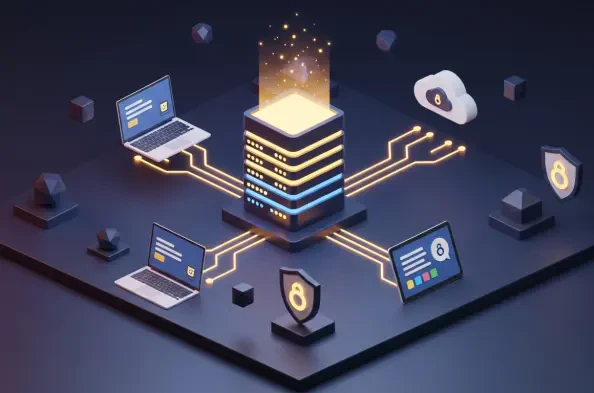
The inherent fragility of digital information has never been more apparent than in the current landscape of 2026, where the sheer volume of personal and professional data necessitates a robust and multifaceted strategy for preservation. Linux users benefit from an ecosystem that prioritizes choice, but this abundance often creates a paradox where

Vernon Yai is a sentinel in the digital landscape, a data protection expert who has spent years deciphering the complex dance between security protocols and evolving threats. As a thought leader in data governance and risk management, Vernon brings a nuanced perspective to the constant struggle of safeguarding sensitive information in an

The collision between the urgent need for massive computational power in epidemiological research and the non-negotiable requirement for patient data privacy has long created a significant bottleneck in modern medical science. Research institutions across the globe have struggled to balance these two competing interests, often resulting in delayed

As legacy infrastructure crumbles under the weight of exponential data growth, the emergence of agentic artificial intelligence has forced a total reevaluation of how global enterprises defend their digital perimeters. The AI-Driven Enterprise Security framework represents a pivotal shift in the cybersecurity landscape, moving away from isolated
Vernon Yai stands at the forefront of modern data protection, having spent years dissecting the sophisticated maneuvers of state-sponsored threat actors. His expertise in risk management and innovative detection provides a unique lens through which we can view the evolving landscape of information security. In this discussion, we explore the