
Third-Party Risk Management

Because PaperCut servers often store a wealth of sensitive documents and user data, they represent an ideal pivot point for lateral movement within corporate networks. The recent discovery of a critical exploit chain involving PaperCut NG and MF software has sent ripples through the global IT security community, revealing how vulnerable even

Parents and educators in North Carolina are expressing deep anxiety over the mandatory nature of digital tools that may not be adequately hardened against sophisticated international cybercriminals. This apprehension follows a massive breach of the Canvas learning management system, a platform that serves as the digital backbone for the state's

The Tech Sovereignty Package represents a major strategic shift toward building a self sufficient European digital landscape that resists external influence. This legislative push targets the heavy dependence on American cloud service providers that currently dominate over seventy percent of the regional market. Brussels is now enforcing strict

Supply chain requirements now dictate that business partners must demonstrate operational cyber resilience before they can be onboarded into professional service agreements. This shift reflects a broader acknowledgment that the historical reliance on perimeter-based security and simple antivirus software has become an obsolete strategy in a

A recent 180 million euro contract awarded to Post Telecom and Scaleway signals a significant shift toward local procurement in the digital sector. This strategic move serves as a cornerstone of the European Union's broader strategy to diminish its reliance on overseas hyperscalers that have dominated the market for decades. By prioritizing
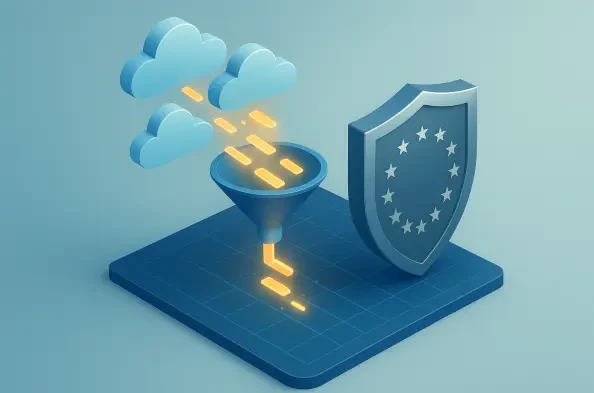
The European Commission aims to bridge a massive 1 trillion euro investment gap between the European and American digital economies through strategic policy shifts. The legislative landscape is changing rapidly as Brussels attempts to reclaim digital sovereignty from Silicon Valley giants. For years, the cloud market has been characterized by a