


Traditional encryption frameworks successfully protect data at rest and in transit but fail to address the clear-text vulnerability that occurs while information is actively being computed by a CPU or GPU. This fundamental oversight has become the primary bottleneck for global enterprises that have moved beyond the experimental stages of

The sudden silence of an autonomous financial agent during a high-stakes market execution often sends shockwaves through a development team, yet the traditional monitoring dashboard remains frustratingly green. This paradox defines the current state of enterprise artificial intelligence, where systems capable of independent reasoning operate

Digital ecosystems are currently witnessing a transformation where the primary users of corporate data are no longer human employees but a burgeoning population of autonomous software agents. These agents, designed to automate complex workflows and decision-making processes, operate at speeds that render traditional, human-centric security models
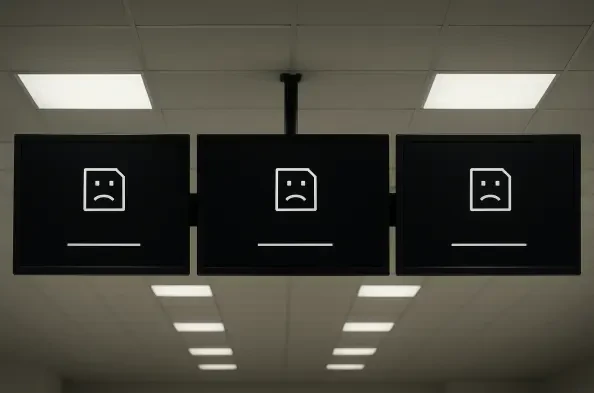
The digital landscape shifted fundamentally when a simultaneous blackout of major AI providers proved that the intelligence layer is as vulnerable as any other utility. As businesses transition from using generative AI as a simple drafting tool to deploying agentic assistants that manage autonomous operations, they inadvertently build a house of

The relentless acceleration of autonomous agents has fundamentally shattered the traditional rhythm of corporate oversight, rendering every manual approval queue an anchor that drags against the hull of digital progress. As these intelligent entities begin to operate at speeds that dwarf human cognitive capacity, the systems meant to protect the

Modern enterprises are finding that their expensive artificial intelligence agents are effectively paralyzed by the very legacy data architectures that were supposed to be their greatest operational assets. As organizations navigate the complexities of 2026, the initial excitement surrounding autonomous agents has been replaced by a rigorous