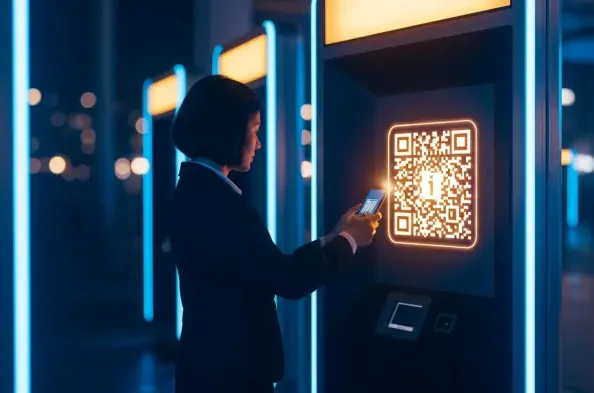
The simple convenience of scanning a square of black and white pixels to pay for a parking spot or view a digital menu has morphed into a sophisticated vector for cybercriminals seeking to harvest sensitive user credentials without the target ever realizing a breach has occurred. While these Quick Response codes were originally designed for inventory management in automotive manufacturing, their rapid adoption across the retail and service sectors has outpaced the implementation of robust security protocols. Most users treat these visual patterns as inherently trustworthy, assuming that a physical object in a legitimate establishment must lead to a legitimate destination. However, this inherent trust is precisely what attackers exploit by deploying malicious overlays or redirecting users through convoluted advertising networks. As the bridge between the physical and digital worlds continues to solidify, the lack of human-readable data within the code creates a transparency gap that leaves individuals vulnerable to automated exploits.
The Evolution of Quishing: Analyzing Modern Attack Vectors
The rise of quishing, or QR-code-based phishing, represents a fundamental shift in how social engineering is conducted in the current landscape of 2026. Criminal organizations utilize high-resolution printers to create realistic adhesive stickers that are placed directly over legitimate codes on public transit terminals, gas station pumps, and street-side advertisements. When an unsuspecting individual scans the fraudulent code, the mobile device is directed to a sophisticated spoofed website that mirrors a payment portal or a login screen with startling accuracy. Unlike traditional email phishing, which often triggers spam filters or displays suspicious sender addresses, a QR code bypasses many perimeter defenses because the initial interaction occurs outside the digital firewall. Furthermore, advanced attacks now involve multi-stage redirects that deliver mobile malware designed to intercept one-time passwords or exfiltrate session tokens directly from browser cache, making the scan a gateway to identity theft.
Beyond direct financial fraud, the privacy implications of widespread scanning extend into the realm of persistent surveillance and unauthorized data harvesting by third-party marketing firms. Many businesses employ dynamic QR codes that record the precise GPS coordinates, device identifiers, and operating system versions of every user who interacts with them. This practice occurs without explicit consent in many instances, allowing companies to build detailed behavioral profiles that link physical movements to digital personas. While some developers argue that this data is necessary for optimizing user experience, the lack of granular control over what information is transmitted during the scan remains a major concern for privacy advocates. In many cases, the simple act of scanning leads to a hidden cookie injection that tracks the user across various web domains long after the interaction is completed. This creates a scenario where a single scan in a public park can result in a permanent digital footprint that is sold within the unregulated data brokerage market.
Users successfully mitigated these risks by adopting a vigilant approach that prioritized physical inspection and the use of secure scanning software. It became common practice to verify the authenticity of a printed code by checking for tampering or unauthorized overlays before initiating a scan with a mobile device. Individuals also utilized built-in operating system features that automatically checked destination URLs against global databases of known malicious domains, providing a critical layer of defense. Furthermore, the reliance on dedicated scanning apps that sandboxed the final destination prevented many automated malware injections from compromising local storage. Many organizations transitioned to using encrypted or dynamic codes that required secondary authentication, which effectively neutralized the threat of static sticker replacements in public areas. These proactive measures, combined with a general shift toward manual URL entry for sensitive financial transactions, ensured that the convenience of digital scanning did not come at the expense of personal privacy.