In an environment where software deployments happen every few seconds and ephemeral cloud instances vanish before a traditional scan could even complete, the very definition of security must shift from a static checkmark to a dynamic, living process. This rapid evolution has turned the humble vulnerability scanner into the central nervous system of modern exposure management, moving far beyond its origins as a basic tool for finding unpatched servers. Organizations now find themselves managing a sprawling digital footprint that includes everything from legacy on-premises hardware to serverless functions and interconnected API ecosystems. Consequently, the reliance on manual or periodic assessments has become a liability, as a single minute of exposure can lead to a full-scale compromise in the hands of an automated attacker. Modern exposure management demands a strategy that is as fast as the infrastructure it protects, necessitating a seamless integration between development cycles and security oversight to ensure that every new line of code is born secure rather than being fixed after a breach occurs. By focusing on real-time visibility rather than historical reports, security teams can transition from a reactive posture to one that actively shapes the resilience of the entire organization. This shift allows for the identification of risks within the context of their environment, ensuring that limited resources are directed toward the flaws that present the most significant danger to the business operations and data integrity of the enterprise.
The Influence of Artificial Intelligence on Cybersecurity
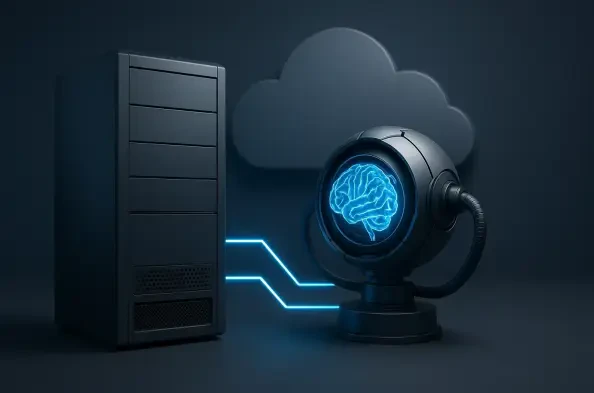
The integration of artificial intelligence into defensive security frameworks has fundamentally altered how security professionals manage the overwhelming volume of vulnerability data generated daily. Advanced AI algorithms now serve as a primary filter, capable of analyzing millions of data points to prioritize vulnerabilities based on their actual exploitability and the sensitivity of the affected asset. This automation has significantly reduced the burden of manual triage, allowing teams to move away from chasing every minor bug and instead focus on high-impact remediation efforts. By leveraging machine learning models that understand the specific architecture of a network, these tools can predict which vulnerabilities are most likely to be targeted next. This predictive capability transforms exposure management into a proactive discipline, where security gaps are identified and addressed with intelligence-driven suggestions before they can be discovered by external parties. The result is a more agile defense mechanism that adapts in real-time to the shifting landscape of digital infrastructure.
On the offensive side of the equation, the emergence of AI-driven exploit kits has drastically reduced the window of time that organizations have to react to newly discovered flaws. Attackers are increasingly utilizing generative models to automate the creation of sophisticated exploits, often weaponizing a vulnerability within hours of its public disclosure. This accelerated threat cycle means that the traditional concept of a “grace period” for patching has effectively disappeared. Furthermore, AI-generated code is finding its way into the software supply chain at an unprecedented scale, introducing subtle, hard-to-detect errors that might escape traditional peer review processes. These hidden risks necessitate a new generation of scanners that can perform deeper, multi-layered inspections of both source code and compiled binaries. As the complexity of these automated attacks continues to grow, the importance of maintaining an equally sophisticated and automated scanning regimen becomes a critical requirement for maintaining a baseline level of organizational security and digital trust.
Lessons From Recent High-Profile Security Breaches
Recent high-profile security incidents have highlighted a critical shift in attacker behavior, where the focus has moved from exploiting single software bugs to identifying “toxic combinations” of minor issues. In several recent breaches, attackers did not rely on a single critical vulnerability but instead chained together a series of low-risk misconfigurations and overprivileged identity permissions. These incidents demonstrate that a server might be fully patched against known software flaws but still remain highly vulnerable due to excessive access rights or connections to third-party AI services. Modern scanning tools must therefore look beyond the software versioning and investigate the entire web of permissions and access paths that define a cloud environment. This holistic view is necessary to identify how a seemingly harmless misconfiguration in a non-production environment could serve as a gateway to highly sensitive production data. Understanding these interconnected risks is now a primary focus for security architects who are tasked with securing complex, multi-cloud architectures.
Another significant takeaway from the current threat landscape is the growing trend of attackers targeting the very security tools meant to protect the organization. In recent months, vulnerabilities discovered within popular open-source scanning engines and management platforms have been exploited to gain an initial foothold within corporate networks. This inversion of the security model means that the software used for vulnerability management must itself be subject to the highest levels of scrutiny and regular auditing. Organizations can no longer take the integrity of their security stack for granted; they must ensure that every tool integrated into the development pipeline is verified, secure, and operating within a strictly defined set of permissions. This shift has led to a more rigorous approach to vendor risk management and a demand for greater transparency in the software bill of materials for security products. Maintaining a secure pipeline now requires a dual focus on scanning the production environment and ensuring the scanners themselves are not becoming a delivery vehicle for malicious activity.
Categorizing the Modern Threat Landscape
A robust exposure management program begins with a precise categorization of the various types of weaknesses that exist across the digital estate. While traditional categories like network-level flaws and outdated operating systems remain relevant, the current focus has shifted heavily toward application-level errors and cloud-native misconfigurations. Application vulnerabilities, such as cross-site scripting or insecure API endpoints, often provide a direct path to an organization’s most valuable data. However, the most frequent and damaging risks in 2026 are found in cloud-specific configurations, where public-facing storage buckets or overly broad identity and access management policies create immediate exposure. Categorizing these threats allows security teams to apply specialized scanning techniques to different parts of the stack, ensuring that the unique risks associated with serverless functions, microservices, and containerized workloads are all adequately addressed. This structured approach helps in building a more comprehensive risk profile that reflects the reality of modern, distributed computing environments.
In the current security climate, the context surrounding a vulnerability has become far more important than the raw number of bugs identified by a scanner. A single vulnerability on an isolated, non-critical testing server poses a vastly different level of risk than the same vulnerability on an internet-facing gateway with administrative access to the corporate database. Modern exposure management systems prioritize these flaws by evaluating their “reachability”—the actual possibility that an attacker can reach and exploit the weakness from the outside. By integrating network topology data and identity context into the scanning process, organizations can filter out the noise and focus on the small percentage of vulnerabilities that represent a true existential threat. This move toward context-aware security ensures that remediation efforts are not wasted on low-impact issues that do not contribute to the overall reduction of organizational risk. It represents a transition from a volume-based security model to one that is defined by strategic risk reduction and business continuity.
Methodologies and Real-World Use Cases
The choice between active and passive scanning methodologies remains a fundamental decision for security teams, each offering distinct advantages depending on the environment being assessed. Active scanning involves the direct probing of systems to elicit responses, which is highly effective for discovering broken authentication mechanisms and misconfigured services. This approach provides a detailed and granular view of the attack surface, though it requires careful orchestration to avoid disrupting sensitive production workloads. In contrast, passive scanning operates by monitoring network traffic without actively engaging with the systems, making it an ideal choice for identifying vulnerabilities within legacy industrial control systems or sensitive healthcare devices that might crash under the weight of an active probe. By utilizing both methods in tandem, organizations can achieve a comprehensive view of their environment that balances the need for deep technical inspection with the requirement for operational stability across diverse hardware and software platforms.
Specialized scanning techniques are now being applied at every layer of the technology stack to ensure that vulnerabilities are caught before they ever reach a production environment. Container scanning has become a standard practice, where software images are checked for known flaws and malicious dependencies before they are deployed into Kubernetes clusters. Similarly, Infrastructure as Code scanning allows teams to identify security errors in Terraform or CloudFormation templates while they are still in the development phase. These methodologies are integrated directly into the continuous integration and continuous deployment pipelines, providing developers with immediate feedback on the security implications of their work. This pervasive application of scanning ensures that security is not a final hurdle at the end of a project but an ongoing feature of the development lifecycle. By catching issues early, organizations can remediate them when they are still relatively simple and inexpensive to fix, preventing the accumulation of technical debt and security risk in the production environment.
Distinguishing Scanning From Penetration Testing
It is essential to distinguish between the broad, automated nature of vulnerability scanning and the deep, manual exploration characteristic of professional penetration testing. Vulnerability scanning functions as a persistent safety net, providing a wide-angle view of potential weaknesses across thousands of assets simultaneously. Because it is automated and highly scalable, it can run continuously or at very high frequencies, ensuring that new flaws are identified almost as soon as they are introduced or disclosed. This constant monitoring is necessary for maintaining a baseline of security in a rapidly changing environment where assets are frequently added or modified. Scanning identifies the “known unknowns”—the established list of bugs and misconfigurations that have already been documented and categorized by the wider security community. It provides the foundational data that allows an organization to understand its general exposure level at any given moment without requiring significant manual intervention or specialized expertise for every single check.
Penetration testing, by comparison, involves a targeted and creative effort by human experts to simulate a real-world attack against a specific set of systems or processes. While a scanner might find five individual vulnerabilities, a penetration tester will attempt to “chain” those weaknesses together to see if they can ultimately bypass the primary defenses and access sensitive data. This manual process is designed to uncover “unknown unknowns,” such as complex logic flaws in a custom application that automated tools are not yet sophisticated enough to detect. Penetration testing provides a qualitative assessment of an organization’s defensive posture, testing the effectiveness of not just the technology but also the people and processes in place to respond to an incident. Using these two disciplines in a complementary manner allows an organization to maintain constant awareness through automated scanning while periodically validating the true strength of their perimeter and internal controls through rigorous, human-led simulations.
The Lifecycle of Modern Exposure Management
A successful exposure management program operates through a logical and repeatable lifecycle that begins with the continuous discovery of every asset owned by the organization. In the age of shadow IT and rapid cloud expansion, it is common for security teams to be unaware of new cloud accounts, subdomains, or temporary development environments. Modern discovery tools use a variety of techniques, including certificate transparency log monitoring and cloud API integrations, to build a dynamic inventory that updates in real-time. Once an asset is identified and cataloged, it is automatically queued for scanning against a comprehensive database of known flaws and configuration best practices. This initial phase ensures that the security team is never blindsided by an unprotected server that was forgotten by a developer or created through an automated script. Establishing this foundation of total visibility is a mandatory first step before any meaningful analysis or remediation can take place across the enterprise.
Following the identification of vulnerabilities, the lifecycle shifts into a phase of contextual prioritization and rigorous remediation verification. Rather than handing a massive list of bugs to the development team, modern systems utilize risk-scoring frameworks that account for the severity of the flaw, the sensitivity of the data at risk, and the presence of any compensating controls. This allows for the creation of a prioritized action plan where the most dangerous issues are addressed first. Once a patch or configuration change has been implemented, the system must undergo a verification scan to confirm that the vulnerability has been successfully mitigated and that no new issues were introduced during the fix. This closed-loop process ensures that remediation is effective and that the security posture of the organization is genuinely improving over time. By maintaining this disciplined lifecycle, organizations can manage the constant flow of new threats without becoming overwhelmed, turning vulnerability management into a predictable and manageable part of their daily operations.
Common Obstacles in Vulnerability Management
One of the most persistent challenges facing modern security departments is the phenomenon of “alert fatigue,” which occurs when scanning tools generate a higher volume of notifications than a team can realistically process. When every vulnerability is labeled as “critical” or “urgent” without regard for its actual impact, security professionals can become desensitized to the warnings, leading to a situation where truly dangerous threats are overlooked. This noise is often exacerbated by legacy scanners that lack the intelligence to filter out irrelevant or false-positive results. To overcome this, organizations are increasingly turning to advanced prioritization engines that use real-world exploit data to identify which flaws are actually being used by attackers in the wild. Reducing the total number of alerts to a manageable level is essential for maintaining the morale of the security team and ensuring that critical risks receive the immediate attention they require to protect the business.
Another significant obstacle is the friction that often exists between security requirements and the need for business agility. Traditional scanners can sometimes be resource-intensive, slowing down production systems or delaying software releases while waiting for a scan to complete. This perceived bottleneck can lead to development teams attempting to bypass security protocols in order to meet their deadlines. Additionally, the use of siloed security tools that do not share data creates blind spots, making it difficult to get a unified view of risk across the entire organization. When cloud security is handled by one team using one tool, and application security is handled by another using a different platform, the resulting lack of coordination can leave gaps that attackers are quick to exploit. Moving toward integrated platforms that offer a “single pane of glass” view of exposure is the only way to eliminate these silos and foster a more collaborative and efficient relationship between security and the rest of the business.
Strategic Pillars: Navigating the Path to Resilience
Organizations that successfully navigated the complexities of the digital landscape in 2026 did so by fundamentally changing their approach to security integration. The most effective strategies prioritized the “shift-left” philosophy, where vulnerability scanning became an invisible but constant presence within the developer’s integrated development environment. This proactive stance ensured that potential flaws were identified and corrected during the coding process, rather than being discovered days or weeks later during a production scan. By empowering developers with the tools to manage their own security risks, companies reduced the friction between departments and accelerated their release cycles. The implementation of automated guardrails meant that insecure configurations were blocked before they could ever be deployed, effectively eliminating large classes of common vulnerabilities before they could pose a threat to the organization. This shift in responsibility created a culture of shared security ownership that strengthened the entire software development lifecycle.
The move toward agentless visibility and risk-based prioritization also played a decisive role in streamlining exposure management for modern enterprises. By utilizing cloud-native APIs to inspect workloads, security teams gained comprehensive visibility into their environments without the need to install and maintain traditional agent software on every virtual machine. This approach removed the performance overhead typically associated with scanning, allowing for more frequent and detailed assessments without impacting operational efficiency. Furthermore, the adoption of advanced risk scoring enabled teams to move beyond a simple checklist of bugs, focusing instead on the actual paths an attacker would take to compromise the business. These organizations focused their efforts on the “reachable” risks, ensuring that their limited remediation resources were always applied where they would have the greatest impact on reducing overall exposure. This strategic refinement allowed businesses to maintain a robust security posture while continuing to innovate and grow at a rapid pace.