
Data Governance

The integrity of primary research remains a cornerstone of high-stakes corporate strategy, yet the increasing prevalence of automated survey bots and disengaged respondents continues to threaten the validity of critical business insights across the globe. Professional researchers often find themselves navigating a landscape where the volume of
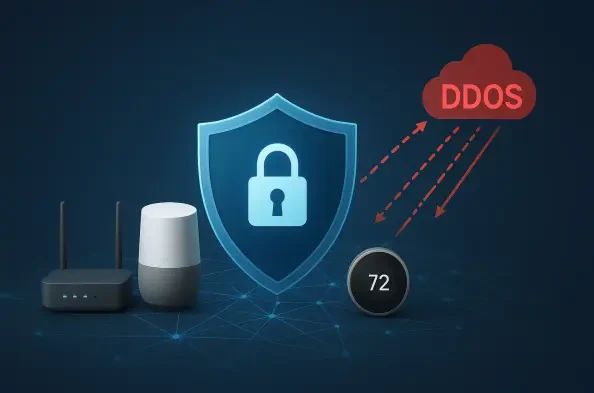
Extensive simulations using the CICIoT2023 and IoT23 benchmarks have validated the performance of decentralized intrusion detection under messy, real-world data distributions. As the number of connected devices across the globe surpasses 75 billion in 2026, the potential for catastrophic Distributed Denial of Service (DDoS) attacks has reached an

Coordinated efforts between healthcare vendors and hospital administrators are essential to replace legacy hardware before quantum-based attacks become a reality. In early 2026, the digital health landscape has reached a precarious tipping point where the standard encryption protecting patient lives is under the looming shadow of quantum

Internal records suggest that MonsterCloud was less of a technology provider and more of an unauthorized payment processor for the same cybercriminals it claimed to oppose. This revelation surfaced following a federal investigation into Zohar Pinhasi, the chief executive of the Florida-based recovery firm. Pinhasi allegedly directed a multi-year

The current overhaul represents a strategic effort to make the government’s cloud marketplace more transparent, secure, and efficient for all participants. As the flagship cloud security program undergoes a massive modernization effort, FedRAMP Security Director Nicole Thompson highlighted a significant challenge: stakeholders were often relying

The success of these silent attacks serves as a critical warning that working systems are no longer a guaranteed indicator that a corporate network remains secure from intruders. The cybersecurity landscape is currently reeling from the exposure of internal communications belonging to the Silent Ransom Group, also known as Luna Moth or UNC3753.