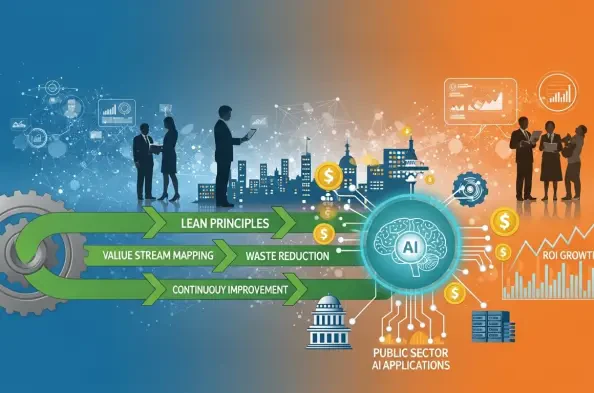
Corporate boardrooms across the globe have reached a critical inflection point where the initial fervor of artificial intelligence experimentation must now surrender to the cold, hard metrics of financial sustainability and measurable performance. The transition from broad experimentation to the strict fiscal accountability of usage-based pricing has fundamentally altered the innovation landscape. As “per-token” costs become a standard metric, traditional private-sector research and development models are proving unsustainable for large-scale enterprise AI deployments.
The tension between an executive mandate for rapid AI implementation and the necessity for a tangible return on investment has never been more pronounced. Organizations are discovering that the luxury of unchecked spending leads to bloated infrastructures that fail to deliver commensurate value. Consequently, the focus is shifting toward granular financial oversight, where every computational cycle is scrutinized for its contribution to the bottom line. This fiscal reality check is compelling corporate leaders to adopt a more disciplined approach to digital transformation.
From Corporate Abundance to Public Sector Prudence: The Dru Rai Perspective
The career shift of New York State CIO Dru Rai, who moved from high-level roles at GE and EY to the budget-constrained public sector, offers a unique blueprint for this transition. In a government environment, the “do more with less” philosophy is not just a slogan but a survival mechanism. Rai’s experience demonstrates that assuming resources will never be sufficient can actually lead to superior innovation by forcing teams to prioritize only the most essential and efficient solutions.
Bridging the gap between taxpayer-funded discipline and shareholder-driven efficiency requires a fundamental shift in perspective. Corporate leaders are beginning to realize that the constraints inherent in public service can serve as a catalyst for creative problem-solving. By treating corporate capital with the same reverence a civil servant treats public funds, CIOs can eliminate waste and ensure that every technological advancement serves a clear, justifiable purpose within the institutional framework.
Implementing Lean Methodologies: Failing Fast and Prioritizing Viability
Adopting a “try and fail fast” approach within controlled environments is becoming a vital strategy for identifying unscalable pilots before they consume excessive resources. This methodology allows technical teams to test the limits of an AI model in a sandboxed setting, ensuring that potential flaws are uncovered early in the development cycle. By cutting losses before significant capital is committed to inefficient systems, organizations preserve their ability to pivot toward more promising opportunities.
Moreover, there is a strategic benefit to prioritizing sustainability over the high-cost risks of being the first to implement unrefined tools. A “second-to-market” approach allows an enterprise to refine existing technologies, ensuring they meet rigorous health, safety, and privacy standards before broad deployment. This focus on viability over speed ensures that the AI solutions integrated into the corporate ecosystem are not only functional but also resilient enough to provide long-term value without constant, costly interventions.
The Evolution of the CIO: Strategic Vision and Ethical Data Stewardship
The role of the CIO is transforming from a technical administrator into a forward-looking strategic visionary who must balance innovation with institutional stability. This evolution demands a shift away from short-term gains toward long-term ethical data stewardship and infrastructure integrity. By adopting a civil servant’s mindset, a CIO can better protect a corporation’s digital assets, ensuring that data use remains transparent and aligned with the organization’s core values.
This strategic transformation involves a commitment to protecting the long-term digital infrastructure against the volatility of emerging tech trends. Prioritizing ethical considerations and data privacy builds a foundation of trust that is essential for the successful scaling of AI across a global enterprise. When a leader views themselves as a steward of a legacy rather than just a manager of hardware, the resulting digital strategy becomes significantly more robust and sustainable.
Strategies for Managing AI Budgets and Future Infrastructure Constraints
Strategic planning for hardware dependencies, particularly regarding the availability of Graphics Processing Units (GPUs), became the definitive blueprint for successful AI budgeting. Organizations focused on building roadmaps that balanced current supply limitations with the impending integration of quantum computing into existing ecosystems. This shift allowed for the redirection of saved capital into high-impact, viable projects, ensuring that every technological investment secured a lasting footprint in the digital marketplace.
By adopting these rigorous public-sector standards, private enterprises avoided the volatility of unchecked growth. Leaders transitioned toward a model of continuous evaluation, where the efficiency of data usage determined the scale of deployment. This methodology created a resilient foundation for future innovations, proving that the most successful digital transformations were those rooted in fiscal responsibility and ethical foresight rather than mere technical speed.