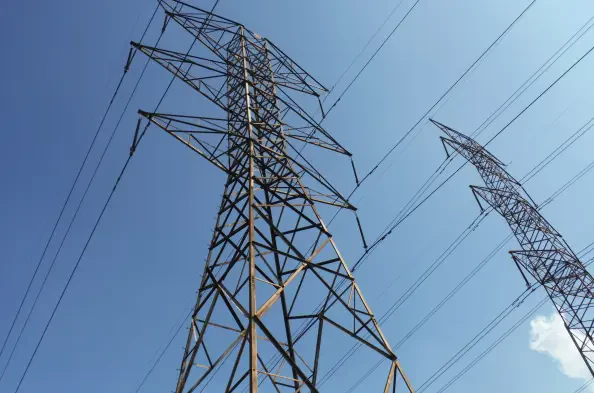
The rapid integration of high-performance computing and expansive electric vehicle networks has pushed the American power grid into a period of forced evolution, where the speed of technological adoption significantly outstrips the development of defensive cyber protocols. This transition marks a departure from the legacy model of centralized utilities, moving instead toward a complex, bidirectional network that connects millions of individual endpoints. The economic scale of this modernization is staggering, with total investments reaching approximately $1.3 trillion. This capital influx is primarily fueled by the massive energy requirements of generative artificial intelligence and the widespread transition to electric mobility, both of which require a more responsive and data-heavy infrastructure.
Centralized grid management is increasingly being supplemented by decentralized market stakeholders, including virtual power plant operators and individual consumers who act as prosumers. This shift ensures that grid stability is no longer solely the responsibility of a few large utility providers but depends on the collective behavior of a fragmented energy ecosystem. As data centers expand to meet processing demands, the volume of electricity being moved across state lines has turned the power grid into a high-stakes digital asset. The reliability of this infrastructure is now intrinsically tied to the security of the software controlling it, making the cyber-physical interface a critical point of potential failure for the national economy.
Evolution at the Edge: Technological Shifts and Market Trajectories
Decentralization and the Dissolution of the Traditional Air Gap
The proliferation of distributed energy resources and virtual power plants has fundamentally altered grid architecture, effectively erasing the traditional security perimeter. In previous decades, utility operators relied on the air gap—a physical isolation of control systems from the public internet—to maintain security. Today, the necessity of real-time load balancing and AI-driven analytics requires these systems to be perpetually connected to cloud-based management platforms. This connectivity allows for unprecedented efficiency, but it also creates a vast attack surface where a vulnerability in a consumer-grade solar inverter could theoretically provide a pathway into the core transmission network.
Market trajectories indicate that the dissolution of physical isolation is being driven by changing consumer behaviors and the economic benefits of battery storage. Homeowners and businesses are no longer passive recipients of power; they are active participants who export energy back to the grid during peak demand. This bidirectional flow requires sophisticated communication protocols that bridge the gap between residential hardware and industrial control systems. Consequently, the distinction between private property and public infrastructure is blurring, forcing a complete reimagining of where a utility’s security responsibility begins and ends.
Growth Dynamics: Forecasting the Surge in Grid-Connected Assets
Financial projections for the remaining years of this decade suggest that another $1.1 trillion will be directed into grid infrastructure to accommodate the surge in connected assets. This investment is not merely for copper wires and transformers but for the digital layer that manages them. A significant portion of this growth is centered on the rapid deployment of electric vehicle charging points, which are expected to number in the millions by 2030. These chargers represent unique lateral movement vectors for cyber threats, as they interface directly with both the vehicle’s onboard computer and the utility’s billing and load-management systems.
Maintaining grid performance in this high-demand, low-latency environment requires new indicators for reliability. The traditional metrics of uptime are being replaced by measures of digital resilience and the ability of the network to self-heal during a cyber event. As the grid becomes more reliant on edge computing, the density of connected devices increases the probability of a localized failure cascading into a systemic outage. Future-proofing the grid therefore requires a move away from reactive patching toward an architecture that assumes constant connectivity and inherent risk at every node.
Navigating the Technical Debt: Legacy Systems and Persistent Vulnerabilities
A significant obstacle to comprehensive modernization is the burden of technical debt, specifically within operational technology. Unlike information technology systems that are refreshed every few years, industrial hardware is often designed for a thirty-year lifecycle. Many substations still operate using mechanical relays and serial-based controllers that were never intended to communicate over a network. To bring these legacy devices into the modern era, utilities have frequently used Ethernet adapters and protocol converters. However, these retrofits often lack native encryption or basic authentication, creating “invisible” vulnerabilities that are difficult to monitor with standard security tools.
The challenge is exacerbated by the lack of identity and access management protocols for older equipment. Many legacy controllers do not support unique user accounts, leading technicians to share generic credentials or use factory-default passwords that remain unchanged for years. This people-centric problem creates a massive security hole, as the departure of a single disgruntled employee or the theft of a technician’s laptop could grant an adversary access to critical switching gear. Without a centralized way to revoke access or audit who made a specific change to a device’s configuration, the grid remains vulnerable to internal and external manipulation.
Cultural differences between operational and information technology departments further complicate the security landscape. The primary directive for field engineers is continuous availability; any security measure that introduces latency or requires a system reboot is often viewed as a threat to reliability. In contrast, security professionals emphasize the necessity of frequent updates and strict access controls. Bridging this gap requires a fundamental shift in organizational governance, moving away from siloed operations and toward a unified framework where cybersecurity is viewed as a prerequisite for, rather than a hindrance to, operational uptime.
Beyond Compliance: Strengthening the Regulatory and Security Framework
Recent regulatory shifts, such as the implementation of NERC CIP-015-1 and CIP-003-11, represent an attempt to modernize security standards for a more interconnected era. These mandates now require internal network security monitoring, pushing utilities to look inward at the traffic moving between their own devices rather than just guarding the perimeter. Importantly, the focus has expanded to include low-impact facilities, recognizing that a coordinated attack on dozens of smaller substations could have a more devastating effect than a single strike on a major generation plant. This change forces utility providers to address vulnerabilities in sites that were previously overlooked due to their size.
Federal standards are also beginning to tackle the complexities of the global supply chain. Many components used in grid modernization, from microchips to software libraries, originate from vendors with varying levels of security maturity. Regulatory frameworks are now requiring deeper visibility into these “invisible” parts of the infrastructure, mandating that utilities perform rigorous validation of the firmware and software they procure. This shift from passive compliance to active defense requires utilities to implement deep packet capture and continuous monitoring to detect anomalies that traditional antivirus or firewalls might miss.
The Frontier of Resilience: AI, Edge Analytics, and the Future of Defense
The future of grid defense lies in decentralized intelligence and edge analytics. As the volume of data generated by sensors and smart meters becomes too large to backhaul to a central data center for analysis, AI-based agents are being deployed directly at the edge of the network. These systems are capable of identifying lateral movement and anomalous behavior in real-time, allowing for the isolation of compromised segments before an infection can spread. By utilizing digital twins to simulate attack scenarios, operators can validate their system’s response to various threats, ensuring that emergency protocols are effective before a real-world incident occurs.
Sophisticated state-sponsored actors, such as those associated with the Volt Typhoon group, have demonstrated a shift in tactics from immediate disruption to long-term persistence. These adversaries seek to “live off the land,” using legitimate administrative tools to remain undetected while mapping internal networks. To counter this, proactive testing and firmware analysis have become standard practices for infrastructure procurement. By identifying potential backdoors or vulnerabilities before hardware is ever installed in the field, utilities can build a more resilient foundation that is capable of withstanding the next generation of persistent cyber warfare.
Balancing Innovation with Integrity: A Roadmap for a Secure Energy Future
The analysis demonstrated that the physical security and air-gapping strategies of the past were no longer sufficient for the digitized energy market of the current era. It was found that as the United States transitioned toward a smarter, more bidirectional grid, the technical debt of legacy systems remained the primary bottleneck for comprehensive security. The data suggested that the rapid expansion of electric vehicle infrastructure and decentralized energy resources created a complex web of vulnerabilities that required a fundamental shift in how utilities approached network visibility. Governance reform and cross-functional cooperation emerged as the most critical non-technical solutions for bridging the divide between operational reliability and digital integrity.
The investigation into the regulatory landscape revealed that compliance was moving toward a model of active defense, prioritizing internal monitoring over simple perimeter protection. The findings indicated that future investments should be concentrated on edge-based intelligence and proactive validation tools to counteract the persistence of sophisticated threat actors. The analysis concluded that the resilience of the national power grid depended on the industry’s ability to integrate security into the very fabric of innovation. By prioritizing deep visibility and addressing the human element of identity management, the sector positioned itself to safeguard the trillion-dollar transformation against the evolving threats of the digital age.