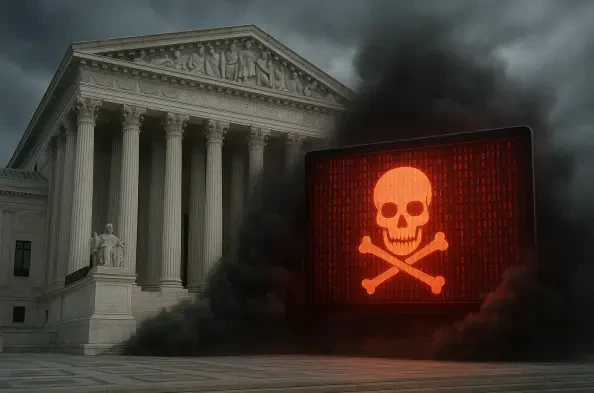
The unexpected admission by the Cybersecurity and Infrastructure Security Agency that its own internal systems were compromised revealed a startling lack of preparation for the very scenarios it routinely warns others about. As the premier federal entity tasked with safeguarding the nation’s critical infrastructure, the agency faced a significant reputational crisis when it disclosed that an intrusion into its networks caught it without a pre-established incident response playbook. This revelation sent shockwaves through the technology sector, as the organization responsible for drafting the blueprints for national cyber resilience was forced to improvise its own defense strategies during an active security event. The absence of a foundational response structure within such a high-profile agency highlights a deep-seated vulnerability that transcends technical expertise. It suggests that even the most informed defenders can fall victim to the same organizational inertia they often caution against.
The Disconnect Between Mandate and Internal Reality
For the past few years, the agency has operated as the central coordinator for domestic cybersecurity, assuming a role often described as the national “cybersecurity quarterback.” By issuing directives and providing technical assistance to essential sectors such as energy, water, and financial services, the agency established a high bar for operational readiness. It consistently championed the necessity of documented chains of command, multi-factor authentication, and rigorous tabletop exercises to ensure that every employee knows their role when a breach occurs. However, the recent security lapse revealed a significant discrepancy between these external mandates and internal practices. The internal failure to maintain a ready-to-use response plan suggests that the agency’s leadership may have focused so heavily on external advisory duties that they overlooked the administrative discipline required to protect their own perimeter effectively.
This situation exposes a recurring challenge in the cybersecurity industry where the demand for specialized talent often outweighs the capacity for internal governance. When a primary organization is stretched thin across various national priorities, basic security hygiene and procedural documentation can easily slide down the list of priorities. The “do as I say, not as I do” phenomenon is not merely an ideological problem but a practical risk that complicates the relationship between the government and the private sector. If the lead federal authority on cyber defense is unable to follow its own best practices, it risks losing the trust of the corporate entities it seeks to protect. Establishing a culture of compliance requires that the governing body lead by example, demonstrating that the rigorous standards it sets for others are deeply integrated into its own daily operational workflows and crisis management strategies.
Operational Risks: The Cost of Improvisation
Managing a network intrusion without a pre-established plan is a dangerous gamble that technical experts often liken to “building the plane while flying it.” In the high-stakes environment of a live cyberattack, time is the most valuable commodity, and any delay in decision-making can have catastrophic consequences for data integrity and system availability. Without a playbook to define communication protocols and technical escalation paths, defenders are forced to debate roles and responsibilities while the adversary continues to move laterally through the network. This period of improvisation provides a larger window for attackers to exfiltrate sensitive data, plant persistent backdoors, or deploy disruptive malware. CISA’s admission that it had to develop procedures while actively managing its own crisis serves as a vivid illustration of how a lack of foresight can turn a manageable incident into a far more complex and dangerous struggle.
The gap between theoretical knowledge and operational muscle memory is often where the most significant security failures occur. While the agency possesses some of the most advanced technical tools and elite intelligence in the world, these assets are significantly less effective without a structured framework to guide their deployment under pressure. This incident proves that a response plan is far more than a static compliance document intended to be filed away for audits; it is a living operational tool that must be internalized through constant practice. Organizations that fail to conduct regular simulations often find that their staff is unprepared for the cognitive load associated with a real-time breach. The inability to execute a rapid, coordinated response allows the threat actor to dictate the pace of the engagement, putting the defenders in a purely reactive stance that is difficult to overcome without a clear strategy.
Lessons in Transparency and Rebuilding Trust
Despite the severity of the internal oversight, the decision to publicly acknowledge the failure represented a rare and bold move for a government agency focused on national security matters. In many administrative circles, the instinct during a crisis is to minimize disclosure and manage the narrative behind closed doors to avoid political or public scrutiny. However, the agency chose to frame its own struggle as a “teaching moment,” using its operational lapse as a catalyst for a broader discussion on resilience within the private sector. This level of transparency was intended to foster a culture of collective improvement, signaling to security leaders in every industry that no organization is completely immune to procedural gaps or human error. By owning the mistake, the agency attempted to reinforce the idea that cybersecurity is an ongoing journey of refinement rather than a final destination that can be reached and then effectively ignored.
Following the public disclosure, the agency initiated a comprehensive internal reassessment designed to align its operations with the very guidance it provided to external partners. Officials revamped the internal incident response framework and prioritized the creation of robust, tested playbooks for every tier of the organization. This shift ensured that logistical discipline and administrative foresight were treated with the same importance as technical skill sets. The process demonstrated that the time to build a response strategy was long before the first alarm sounded, preventing the organization from paying the price of unreadiness twice. Security leaders across the nation took note of these actions, recognizing that effective defense required a commitment to operational consistency. By formalizing these procedures, the agency worked to restore its credibility and provided a concrete example of how to build a foundation for long-term stability.