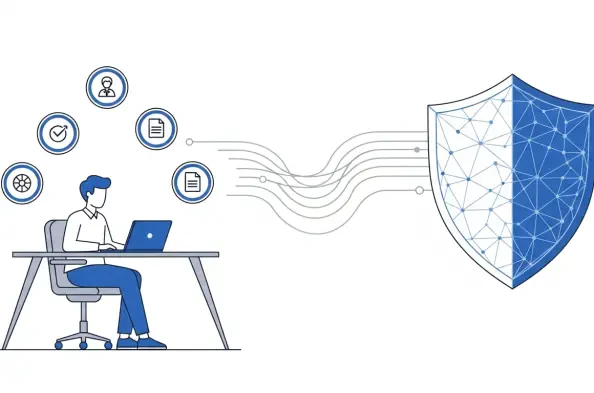
In a digital landscape where automated exploits and sophisticated social engineering tactics evolve at a breakneck pace, the traditional reliance on static compliance checklists has proven increasingly inadequate for modern enterprise defense. Security leaders now recognize that while frameworks like SOC2 or ISO 27001 provide a necessary foundation, they often fail to address the dynamic nature of human behavior, which remains the primary catalyst for over eighty percent of successful breaches. The shift toward Human Risk Management represents a fundamental change in how CISOs conceptualize protection, moving away from a reactive checkbox mentality and toward a proactive understanding of psychological vulnerabilities. This transition involves more than just implementing new tools; it requires a cultural overhaul where security is viewed through the lens of individual accountability and organizational resilience. By focusing on the intersection of human psychology and technical controls, enterprises can build more robust defenses that adapt to the shifting tactics of modern adversaries.
The Strategic Pivot: Moving Beyond Checkbox Compliance
Identifying Behavioral Vulnerabilities Through Real Time Data
Building on this foundation, organizations are increasingly deploying behavioral telemetry to gain deeper insights into how employees interact with sensitive systems and data in real-time. This methodology moves beyond traditional training modules, which often fail to change long-term habits, and instead focuses on monitoring specific actions that indicate elevated risk levels. For instance, security teams now utilize advanced AI-driven analytics to identify patterns such as unusual file access outside of standard working hours or the frequent use of unauthorized SaaS applications. These systems provide a continuous stream of data that allows CISOs to move from generalized security awareness to targeted interventions based on actual user performance. By integrating these behavioral signals into a broader risk management framework, companies can identify potential insider threats or compromised accounts before they escalate into full-scale security incidents. This data-centric approach ensures that security resources are allocated where they are most needed.
Implementing Adaptive Controls to Mitigate Human Error
Moreover, the integration of adaptive security controls has allowed for a more nuanced response to the identified human risks by automatically adjusting the rigor of authentication based on the user’s current risk profile. Rather than imposing static friction across the entire workforce, adaptive MFA and conditional access policies now dynamically respond to situational variables such as geographic location, device health, and recent behavioral trends. If a marketing professional suddenly attempts to access financial databases from a new IP address, the system can automatically trigger additional verification steps or temporarily restrict access until the identity is confirmed. This reduces the overall burden on low-risk employees while significantly increasing the difficulty for attackers. Furthermore, the implementation of security nudges provides employees with immediate feedback when they perform risky actions, such as clicking a suspicious link or attempting to send unencrypted data, creating a stronger culture.
Execution and Results: Transforming Human Risk into Defensive Strength
Ultimately, the industry moved toward a model where security and human psychology became inextricably linked, ensuring that technical defenses were supported by a vigilant and informed workforce. Leadership teams recognized that managing human risk required a sustained investment in both technology and culture, leading to the widespread adoption of comprehensive risk-scoring systems that evaluated individual security performance over time. These initiatives resulted in a measurable decrease in incident frequency, as the focus shifted from simple compliance to the mitigation of actual behavioral vulnerabilities. For organizations looking to replicate these successes, the priority shifted toward auditing existing training programs and replacing them with data-driven HRM platforms. They also prioritized the consolidation of security silos to ensure that behavioral data from endpoints, email, and identity providers was unified into a single view of enterprise risk. By treating human behavior as a quantifiable metric rather than an unpredictable variable, the modern CISO successfully transformed the weakest link.