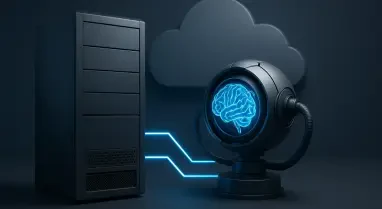
The rise of AI agents has reversed the trend of software stack reduction, leading to an increase in specialized monitoring requirements. This shift is primarily driven by the transition of artificial intelligence from simple chat interfaces to autonomous agents capable of independent decision-making and infrastructure modification. According to recent findings from the 2026 Observability Forecast, nearly twenty-five percent of these agents currently operate without any formal oversight within enterprise environments. This “black box” phenomenon poses significant security and operational risks, as autonomous agents can alter system configurations or internal codebases without triggering traditional threshold alerts. As enterprises rapidly integrate these non-human actors into their core workflows, the necessity for specialized visibility has become a top priority for technology leaders who previously focused on simplifying their IT environments. The complexity of managing these entities requires a fundamental rethink of how telemetry is gathered and analyzed across diverse and increasingly automated corporate networks.
Managing Systemic Shifts in Visibility
The Growing Complexity of Software Stacks
The pursuit of technical efficiency through vendor consolidation was a hallmark of the early 2020s, yet the current landscape shows a distinct pivot toward specialized tooling. Modern IT departments are discovering that universal monitoring solutions often lack the granularity required to track the iterative processes of autonomous agents. Consequently, the average number of observability tools per organization has risen back to five in 2026, marking a significant departure from the leaner strategies of the previous three years. This resurgence is not merely a regression into inefficiency but a calculated response to the unique telemetry demands of generative AI and agentic workflows. Engineers find themselves needing visibility into specific layers, such as vector database performance and token consumption metrics, which traditional infrastructure monitors were never designed to handle. This fragmentation complicates the operational overhead but remains necessary to prevent massive failures in automated pipelines that could otherwise go completely unnoticed.
Technical Demands of Autonomous Infrastructure
As organizations grapple with this renewed sprawl, the focus is shifting toward the deployment of specialized AI application observability frameworks. Data suggests that eighty percent of major enterprises intend to implement these niche solutions within the next twelve months to secure their agentic ecosystems. The immediate challenge involves integrating these disparate streams of data into a cohesive strategy that does not overwhelm DevOps teams with alert fatigue or redundant notifications. Industry leaders, including New Relic CEO Ashan Willy, emphasize that while specialized tools provide the necessary data today, the ultimate objective must be the absorption of these capabilities into unified platforms. This evolution is expected to occur as platform providers mature their native AI monitoring features, eventually reducing the need for standalone niche products. For now, firms are balancing the immediate need for deep technical insight against the long-term goal of operational simplicity to ensure that their AI initiatives remain both stable and scalable.
Strategic Implementation and Economic Recovery
Financial Realities of Modern System Downtime
The financial stakes of maintaining system integrity have never been higher, with over one-third of companies reporting at least one high-impact outage every single week. Despite the frequency of these disruptions, the actual economic burden has shown signs of stabilization due to better detection mechanisms. The cost of major system downtime decreased from an average of $76 million in 2025 to approximately $73.5 million in 2026, a trend that reflects the increasing sophistication of modern incident response tools. Faster resolution times and the ability to pinpoint the root cause of an AI-driven error have allowed organizations to mitigate the fallout of critical failures more effectively than in previous cycles. This improvement demonstrates that while AI agents introduce new risks, the concurrent advancement of observability technology provides a necessary counterweight. Companies that invest in real-time monitoring are seeing a direct correlation between visibility and the preservation of their annual revenue, proving that oversight is a critical business asset.
Consolidation and Unified Observability Standards
Technological giants like AWS, Snowflake, and Cisco have moved aggressively to bridge the existing visibility gaps by launching AI-powered consoles and acquiring niche monitoring startups. These developments indicate a broader market movement toward standardizing the way autonomous agents are governed and observed within enterprise networks. To move forward, firms must transition from treating AI as an experimental sandbox to managing it as a core component of their business architecture. The path toward closing the observability gap involved a proactive adoption of unified data platforms that could correlate traditional server metrics with complex agent behaviors. By the end of this period, successful organizations prioritized the integration of automated health checks and governance guardrails into their deployment pipelines. This shift ensured that every autonomous decision made by an agent was logged, analyzed, and rectified if necessary, providing a blueprint for the safe and efficient scaling of artificial intelligence across the global economy.