
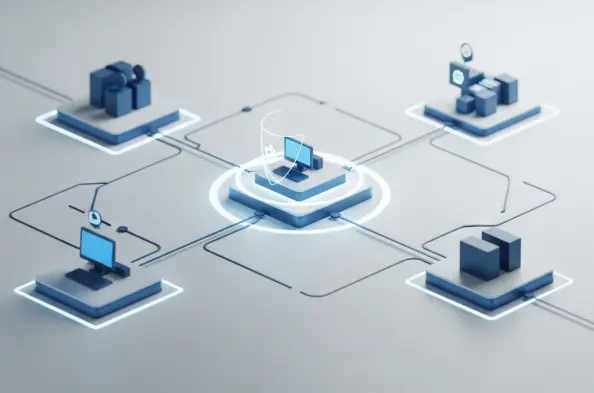
The unprecedented surge in sophisticated cyberattacks targeting the very tools used to build digital infrastructure has fundamentally altered how security teams prioritize their defensive strategies in 2026. As traditional perimeters dissolve, the developer workstation has emerged as the most critical vulnerability within the modern enterprise, necessitating a shift from reactive to proactive defense. While legacy Endpoint Detection and Response systems were once sufficient for protecting clerical staff, they often fail to account for the highly technical and dynamic workflows inherent in software engineering. This oversight has created a dangerous security vacuum where those with the highest level of access to intellectual property are frequently the least protected. Consequently, Agentic Endpoint Security has gained prominence by providing a specialized framework that integrates directly into development environments. By focusing on the unique behavior of coding tools, this approach effectively closes the visibility gap that attackers have exploited to infiltrate the global supply chain.
Evolution of Exploitation: The IDE as a Primary Entry Point
Recent events, such as the widely discussed TeamPCP incident, demonstrate a calculated shift in adversary tactics toward the Integrated Development Environment. Rather than attempting to force entry through a hardened network firewall, attackers now target the vast ecosystem of third-party plugins and extensions that modern developers rely on for productivity. These compromised tools utilize “Living off the Land” techniques, where standard terminal commands and legitimate scripts are repurposed to facilitate malicious activity without triggering traditional alerts. By poisoning an extension that is already trusted by the system, threat actors can execute secondary payloads and harvest sensitive information directly from the local environment. This method allows malicious processes to blend seamlessly with routine tasks like compiling code or running local tests. Because these actions appear normal to standard monitoring tools, the intrusion can persist for weeks or months, providing ample time for attackers to exfiltrate critical cloud credentials and SSH keys used to access production systems.
The inherent tension between the need for rapid software delivery and the imposition of rigid security protocols often results in a degraded defensive posture. Engineers frequently view traditional security software as a hindrance because it produces excessive false positives or interferes with the complex networking required for local development. To maintain velocity and meet project deadlines, many organizations have historically granted broad security waivers to their technical teams, essentially exempting them from the very safeguards meant to protect the business. This culture of exclusion has inadvertently transformed developer machines into low-resistance gateways for supply chain compromises. Without a security model that understands the nuance of a developer’s tech stack, enterprises remain blind to the subtle anomalies that indicate a breach. The challenge lies in creating a system that secures the workflow without obstructing the creative process, ensuring that the necessary tools for innovation do not also become the primary vehicles for organizational destruction.
Dynamic Defense: Strategies for Real-Time Monitoring and Control
Agentic Endpoint Security addresses these systemic vulnerabilities by establishing a localized control point that possesses deep context regarding developer tools. Unlike conventional security agents that monitor for broad file signatures, this new paradigm maintains a real-time inventory of the entire Integrated Development Environment extension ecosystem. By scrutinizing the behavior of every active plugin, the system can identify unauthorized logic modifications or suspicious network requests originating from within the code editor itself. This level of granular visibility is essential for detecting “poisoned” logic on public marketplaces before it can be used to compromise the internal codebase. When an extension attempts to perform an action outside of its established functional profile, such as reaching out to an unknown external server, the security agent intervenes immediately. This proactive stance ensures that the workstation remains a hardened asset, capable of identifying and neutralizing threats that would otherwise bypass more generalized security layers at the network or perimeter level.
Implementing strategic update cooldowns serves as another vital mechanism within the broader framework of protecting the software supply chain. Because many supply chain attacks rely on the rapid distribution of malicious updates to a large user base, mandating a waiting period for new software versions can significantly mitigate risk. This intentional delay provides the global cybersecurity community and marketplace moderators with the necessary time to analyze new releases and flag compromised code. By preventing the immediate adoption of unvetted updates, organizations can avoid becoming early victims of zero-day exploits hidden within popular development tools. This cooldown period does not necessarily stall innovation; instead, it ensures that the software being introduced into the environment has been subjected to a higher degree of community scrutiny. This approach disrupts the attacker’s timeline, forcing them to maintain their presence for longer periods and increasing the likelihood that their malicious modifications will be detected by researchers before they can cause widespread damage across the infrastructure.
Hardening the Local Environment: Protecting Credentials and Cultural Alignment
At the operating system level, Agentic Endpoint Security is specifically tuned to defend against lateral movement by securing high-value technical credentials. Attackers who successfully gain a foothold on a developer workstation typically prioritize the theft of AWS roles, Kubernetes secrets, and GitHub tokens stored in local configuration files. Traditional security tools often fail to monitor the specific directory paths and environment variables where these tokens reside, leaving them vulnerable to simple read requests from malicious scripts. AES platforms solve this problem by recognizing these sensitive storage locations and implementing strict access controls that block unauthorized applications from viewing their contents. By monitoring the specific pathways used by legitimate tools, the system can distinguish between a valid request from a cloud CLI and a suspicious attempt by a rogue plugin to exfiltrate keys. This containment strategy ensures that even if an initial exploit succeeds, the attacker remains trapped on a single machine without the credentials needed to move deeper into the corporate cloud environment or production servers.
The successful adoption of this security model ultimately required a fundamental shift in how engineering and security departments collaborated to achieve common goals. By consolidating disparate tools into a single, cohesive framework that understood the developer’s needs, organizations moved away from the adversarial relationship that previously defined these interactions. Specialized platforms transformed the developer workstation from a vulnerable entry point into a self-defending node within the corporate network. Security leaders prioritized the implementation of non-intrusive monitoring that allowed for real-time intervention without causing productivity bottlenecks. The transition toward this agentic approach ensured that the speed of innovation was matched by the strength of the underlying defense. By focusing on the actual point of creation, businesses successfully fortified their most valuable assets and established a more resilient posture against the increasingly complex threats targeting the global software supply chain.





