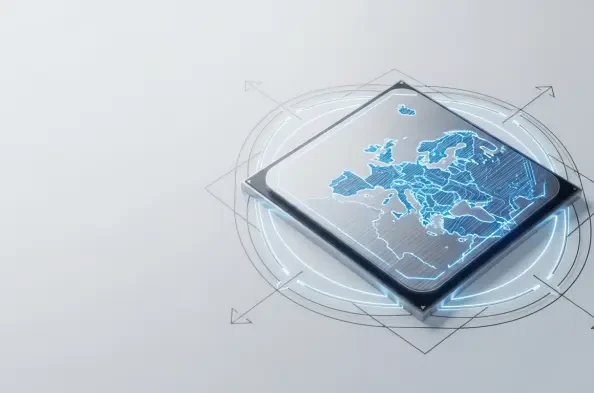
Modern enterprises are currently navigating a digital landscape where the concept of a secure perimeter has effectively vanished, replaced by a complex web of interconnected cloud services and remote access points. The collaboration between Zscaler and Schwarz Digits, the IT power behind the Schwarz Group, marks a significant shift in how European organizations approach data security by integrating the Zscaler Zero Trust Exchange platform directly into the STACKIT cloud infrastructure. This strategic move creates a localized, high-performance security shield specifically for the European market, designed to help businesses and government agencies navigate the complexities of digital sovereignty while maintaining the flexibility of a cloud-native environment. By combining world-class security software with sovereign infrastructure, these entities offer a unique path forward for those requiring both agility and legal certainty within the European Union. This partnership specifically addresses the need for a security architecture that is both globally capable and locally compliant, ensuring that the digital transformation of European industry remains resilient against evolving global threats.
Bridging Technological Independence: Global Security Standards
A central pillar of this alliance is the emphasis on keeping sensitive data within the legal jurisdiction of the European Union, which remains a primary concern for public sector organizations and private firms alike. By hosting security services in STACKIT’s German data centers, the partnership ensures that local organizations do not have to rely on non-EU entities for their critical safety needs. This setup effectively solves the “sovereignty paradox” by providing world-class security tools that remain firmly rooted in European soil, catering to those who prioritize strict data residency and physical control over their information. It allows for a seamless integration where the data plane and the control plane remain governed by European laws, reducing the risk of foreign legal intervention. This structural independence provides a foundation upon which highly regulated industries can build their digital futures without fear of compromising their core values or legal standing, creating a robust ecosystem that values privacy as much as it does technological advancement and efficiency.
Beyond legal compliance, the technical proximity of security services within German borders offers significant performance advantages for local enterprises that require low-latency connectivity for real-time applications. Integrating the Zero Trust Exchange into the STACKIT ecosystem means that traffic does not need to be backhauled to distant global hubs, significantly reducing latency and improving the user experience for employees accessing corporate resources. This localized approach demonstrates that high-level security does not need to come at the cost of operational speed or efficiency, a common complaint in traditional cloud security models. Furthermore, the collaboration provides a clear alternative to global cloud providers by proving that European infrastructure can host the world’s most sophisticated security platforms. This builds a resilient digital ecosystem where European companies can scale their operations globally while retaining the peace of mind that their most valuable digital assets are protected by local infrastructure that understands and respects the unique requirements of the regional regulatory landscape.
Implementing Zero Trust: Combatting AI-Driven Risks
The integration utilizes a Zero Trust Secure Access Service Edge model, which moves away from outdated perimeter-based defenses to focus on rigorous identity verification for every user and every connection. Instead of trusting anyone on a network, the system checks every user and device trying to access data, regardless of their location, ensuring that access is granted only to specific applications. This strategy is essential for preventing the lateral movement of hackers within a network, ensuring that a single compromised account does not lead to a total system breach or a massive data leak. By assuming that the network is always hostile, the platform applies granular policies that adapt to the context of every connection request. This level of control is particularly vital in a hybrid work era where employees access sensitive data from various locations and devices. The partnership effectively eliminates the traditional concept of an “internal network,” replacing it with a dynamic, identity-centric security posture that is robust and remains highly transparent for auditing purposes.
Beyond simple access control, the partnership is a direct answer to the rising tide of sophisticated, AI-enhanced cyberattacks that are currently targeting European infrastructure with increasing frequency and intensity. As malicious actors use artificial intelligence to speed up their exploits and create highly convincing phishing campaigns, Zscaler and Schwarz Digits provide the computational power and real-time detection needed to stay ahead. The platform is built to evolve alongside these modern threats, offering a proactive defense that learns and scales as the digital landscape becomes more dangerous and automated. By leveraging machine learning models that analyze billions of daily transactions, the system can identify and block zero-day threats before they reach the target. This creates an automated feedback loop where security measures are constantly refined based on global threat intelligence while the data itself remains processed within the secure confines of the STACKIT environment. This synergy ensures that protection is always current, providing a technological edge against even the most advanced adversaries.
Fostering a New ErDigital Transformation and Safety
European organizations faced a wave of new regulations, such as NIS2, DORA, and the AI Act, which turned cybersecurity into a top-tier compliance obligation for senior management and corporate boards. This joint offering simplified the path to meeting these legal standards by providing a unified, cohesive platform that was easier to audit than fragmented software setups. By streamlining the security stack, businesses reduced their attack surface while satisfying the strict expectations of European law regarding data privacy and supply chain security. The centralized nature of the Zscaler and STACKIT integration allowed for comprehensive logging and reporting, which were essential for demonstrating compliance during official audits. This reduced the administrative burden on IT departments, allowing them to focus on innovation rather than constantly managing the complexities of diverse regulatory frameworks. The partnership acted as a compliance enabler, ensuring that technical implementations were always aligned with the latest legal requirements while supporting the operational goals of the business.
Ultimately, the alliance between Zscaler and Schwarz Digits demonstrated that companies no longer had to choose between advanced technology and sovereign control over their sensitive information. By combining American software innovation with German infrastructure expertise, the partnership provided a blueprint for secure digital transformation that resonated across the entire continent. This unified strategy empowered both the public and private sectors to embrace the cloud and artificial intelligence with confidence, knowing their data was shielded by a resilient, locally governed framework. Moving forward, the industry learned that true digital sovereignty required a collaborative effort that bridged the gap between global innovation and regional security requirements. Organizations that adopted these sovereign-ready solutions successfully mitigated the risks associated with global supply chains and established a high standard for future digital infrastructure projects. This proactive stance ensured that European digital assets remained protected while allowing for unprecedented growth and innovation in an increasingly connected world.