
Data Security

Digital ecosystems are currently witnessing a transformation where the primary users of corporate data are no longer human employees but a burgeoning population of autonomous software agents. These agents, designed to automate complex workflows and decision-making processes, operate at speeds that render traditional, human-centric security models

Hardware-based Trusted Execution Environments provide a critical defense mechanism against unauthorized access by cloud administrators or high-level system users. For years, cybersecurity strategies focused almost exclusively on the twin pillars of data at rest and data in transit. Security leaders invested heavily in storage encryption and secure
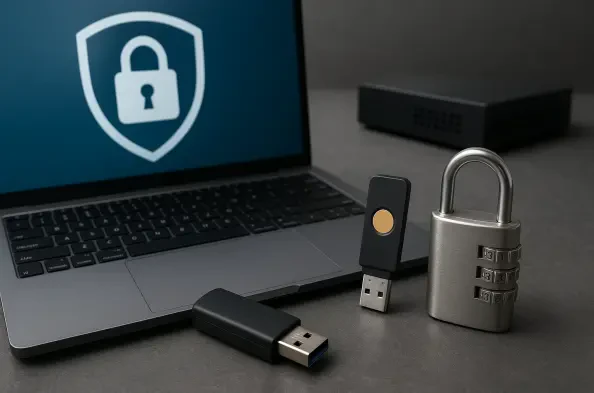
Modern device control has evolved from simple on/off port switches into highly granular governance systems that manage connections based on unique serial numbers. In the current cybersecurity landscape, the humble USB port remains one of the most significant physical vulnerabilities for any enterprise, acting as a gateway for sophisticated

Consolidating privilege management with patch management and threat detection enables a unique capability to revoke access upon threat discovery. In the modern security architecture of 2026, the reliance on static administrative rights has been identified as a primary contributor to the success of ransomware and lateral movement operations.

The British-led Nordic Warden initiative aims to coordinate maritime surveillance and share intelligence regarding suspicious vessel activity near sensitive pipelines. This operational shift acknowledges a harsh reality: the global economy does not float in an ephemeral "cloud" but rests on thousands of miles of fiber-optic cables snaking across

Visa’s new technological advancement uses unified fraud scoring to ensure that legitimate payments proceed without any unnecessary friction for the consumer. As the rapid transition toward instant account-to-account transfers reshapes the global financial landscape, institutions are encountering increasingly sophisticated methods of digital