The collision between the urgent need for massive computational power in epidemiological research and the non-negotiable requirement for patient data privacy has long created a significant bottleneck in modern medical science. Research institutions across the globe have struggled to balance these two competing interests, often resulting in delayed breakthroughs or security protocols that leave sensitive information vulnerable to sophisticated cyber threats. The RAMSES supercomputer architecture represents a paradigm shift in this landscape by implementing a fortified processing environment specifically designed for large-scale analysis of confidential records. Unlike traditional high-performance computing clusters that focus solely on raw speed, this specialized system integrates hardware-based security layers directly into its core processing units. This ensures that data remains encrypted not just while at rest or in transit, but during the actual execution of complex algorithms, effectively creating a digital fortress for sensitive info. This innovation addresses the demand for secure data as health records expand.
Architecture of Trust: Hardware-Level Security Protocols
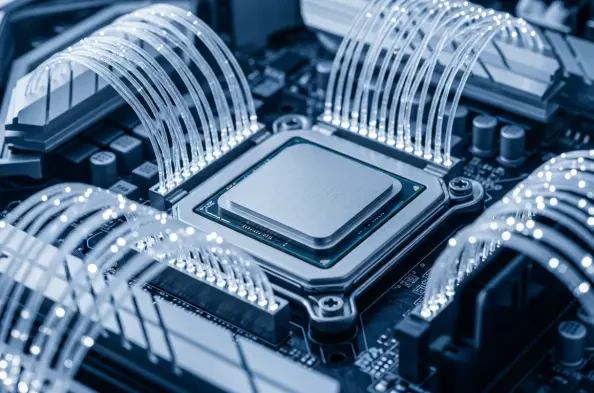
At the heart of the RAMSES system lies a sophisticated implementation of Trusted Execution Environments, which provide a hardware-isolated memory space that is completely inaccessible to the rest of the operating system or any unauthorized software. This secure enclave approach means that even if the primary operating system were to be compromised by an advanced persistent threat, the sensitive data being processed within the enclave would remain invisible and protected from prying eyes. Engineers developed this infrastructure to handle high-throughput workloads typical of genomic sequencing and pharmaceutical modeling, where millions of data points must be compared simultaneously. By utilizing specialized processors equipped with dedicated cryptographic engines, the system can decrypt information only within the protected confines of the CPU cache. This prevents the traditional vulnerability known as data-in-use exposure, where information is typically vulnerable while being manipulated by the processor, thereby ensuring total protection at the silicon level.
Beyond the isolation of the processing core, the RAMSES architecture employs a strictly segmented memory management system that ensures no two research projects can inadvertently share or leak data across the supercomputer fabric. Each computational node is governed by a micro-hypervisor that enforces strict boundary controls, monitoring every memory request to prevent unauthorized access or cross-contamination between different datasets. This architectural choice is particularly vital when multiple international organizations are collaborating on a single platform, as it provides the necessary assurance that intellectual property and patient identities remain siloed. The interconnects within the system are also equipped with real-time anomaly detection systems that use machine learning to identify patterns indicative of data exfiltration or unauthorized probing. These internal monitors operate independently of the main processing stream, providing a secondary layer of oversight that remains active even during peak usage cycles to maintain the highest integrity.
Collaborative Research: Secure Deployment and Implementation
The implementation of the RAMSES framework fundamentally changes how researchers interact with sensitive datasets by allowing them to run complex queries without ever having physical or digital possession of the underlying raw information. This “bring the code to the data” model eliminates the need for large-scale data transfers, which are often the weakest link in the security chain when collaborative projects involve multiple institutions. Scientists can develop their analytical models in a local environment and then deploy them to the secure RAMSES nodes, where the analysis is performed behind a series of firewalls and encryption barriers. The system only exports the final statistical results, ensuring that individual-level data never leaves the high-security environment of the host facility. This methodology is proving indispensable for longitudinal studies that track the progression of rare diseases across diverse populations, as it allows for the aggregation of insights without risking the exposure of sensitive biographies or identities in a shared space.
The successful deployment of the RAMSES architecture demonstrated that the perceived trade-off between computational speed and data security was ultimately a false dichotomy that could be overcome through engineering. Decision-makers in the technology and health sectors recognized that the path forward necessitated a move away from legacy systems that relied solely on perimeter defense toward a more intrinsic, hardware-based security model. Stakeholders prioritized the integration of these secure processing capabilities into their existing workflows to ensure that they remained competitive in an increasingly data-dependent landscape. Moving forward, the focus shifted toward developing more user-friendly interfaces that allowed non-technical researchers to leverage the full power of secure supercomputing without requiring a deep understanding of cryptographic theory. Educational initiatives were expanded to train a new generation of data scientists. By committing to this secure-by-design philosophy, the industry took a decisive step toward ensuring the pursuit of knowledge never came at the expense of individual privacy.