
Data Sanitization & Disposal
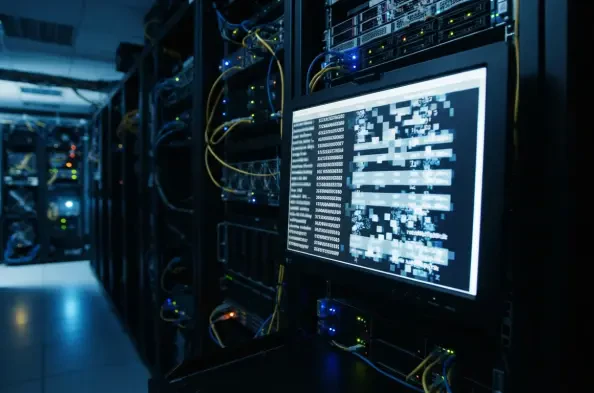
A proactive data-centric approach involves discovery and classification to decide whether to remove access, restrict it, or implement technical controls like tokenization. This strategy is increasingly critical as the volume of information generated by global enterprises reaches unprecedented levels, making traditional perimeter security almost
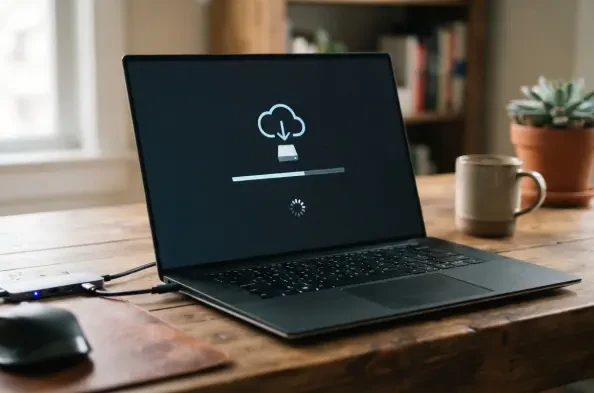
The October 2026 non-security update, designated as KB5127936, introduces a powerful capability to reinstall Windows 11 even when the operating system fails to boot. This significant enhancement provides a streamlined alternative to the traditional, labor-intensive process of creating physical bootable media on a secondary machine. By leveraging a
Vernon Yai stands as a leading architect in the modern landscape of data protection and corporate governance, particularly as organizations move toward decentralized technology models. With a career dedicated to balancing the rigid requirements of risk management with the fluid needs of business innovation, Yai has become a pivotal voice for IT

The reliance on third-party platforms and administrative dashboards has been identified as a primary factor in the failure to properly erase customer identifiers. This critical vulnerability highlights a growing paradox where hardware manufacturers promise absolute privacy while operating within a web of centralized retail tools that often lack
As digital assistants become more deeply integrated into the fabric of daily existence in 2026, the promise of personal privacy has shifted from a mere preference to a non-negotiable legal mandate. Researchers have identified four specific logical pathways, including fact assembly and relation chains, that enable the reconstruction of sensitive
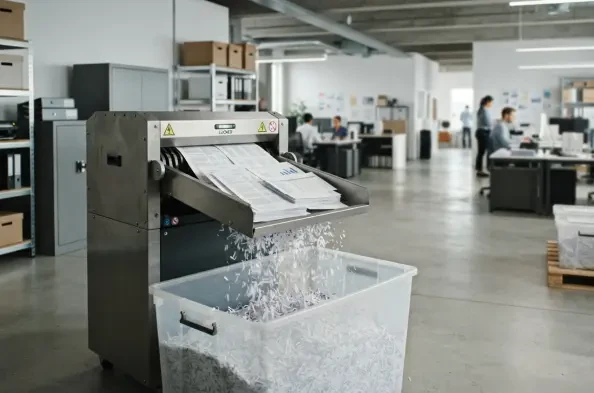
The synergy between scanning and shredding allows modern enterprises to maintain digital accessibility while eliminating the risks of physical data breaches. Even in 2026, where cloud-native ecosystems and artificial intelligence drive the majority of administrative workflows, the physical document has not vanished as once predicted. Instead,