
Risk Management
The new suite addresses the modern reality where attackers use automated tools to scale their operations against corporate infrastructure. As the enterprise landscape in 2026 becomes increasingly defined by the rapid adoption of generative technologies, security teams face a dual-front war: enabling productivity while shielding sensitive data from
Threat actors have demonstrated resourcefulness by repurposing legitimate system tools to facilitate 'living off the land' techniques that make malware infections much harder to detect. This trend has reached a new peak in 2026, as security researchers recently identified a sophisticated campaign involving SectopRAT, a remote access Trojan also

Cloud-native supply chains are now under intense scrutiny as the definition of digital products expands to include Helm charts, sidecars, and third-party monitoring agents. This scrutiny stems from the introduction of the EU Cyber Resilience Act (CRA), officially known as Regulation (EU) 2024/2847, which has fundamentally altered the digital
Financial institutions face a critical gap in their fraud frameworks as bots increasingly gain the authority to access digital wallets and initiate transactions. This paradigm shift represents a fundamental departure from the legacy systems that have governed global finance for decades, where every movement of capital was traced back to a
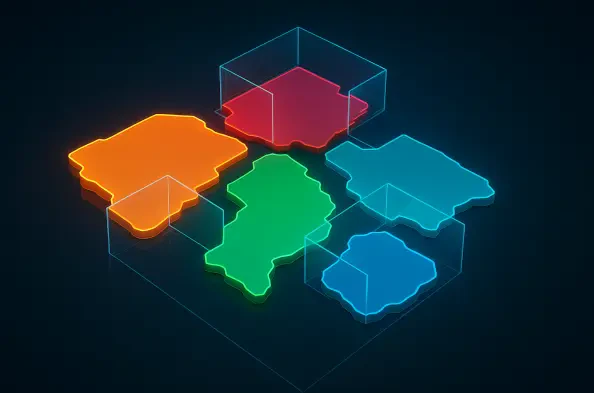
Treating sovereignty as a mere regulatory checkbox prevents many organizations from addressing the long-term risks of technological dependency. Modern enterprises often find themselves trapped between the urgent need for digital transformation and the complex web of global data regulations that dictate where information must reside. Although

A quiet Tuesday afternoon in a sleek high-rise office often masks the unsettling reality that a single unauthorized file upload can cost a major corporation nearly twenty million dollars in a single fiscal year. While traditional cybersecurity strategies historically focused on fortifying external firewalls to keep intruders out, the modern threat