
Risk Management
A massive transformation in federal oversight is silently recalibrating the security operations of hundreds of thousands of American businesses as the nation prepares for the most stringent cyber disclosure requirements ever enacted. For decades, the choice to disclose a digital breach remained largely a private corporate decision, often dictated
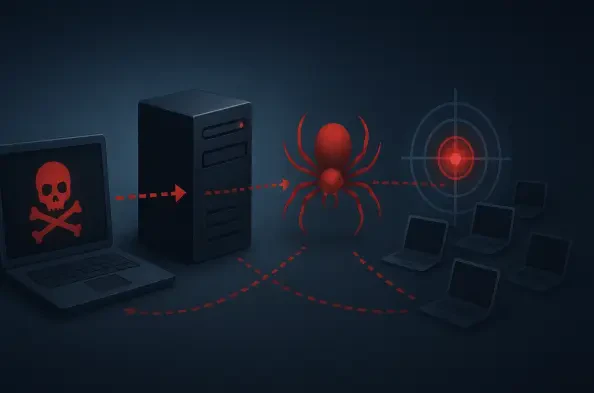
The discovery of the Carbonato botnet suggests that the era of manual hacking is rapidly being eclipsed by autonomous systems that can think, pivot, and persist without a single human keystroke being involved in the execution phase. This development represents a significant evolution in the landscape of automated cyber threats, marking a

If an attacker gains even limited access to a developer’s environment, the plain-text status of archived agent memory provides an immediate path to sensitive corporate credentials. As the industry moves into 2026, the transition from simple chat interfaces to fully autonomous AI agents has fundamentally altered the data landscape. Unlike earlier

The gap between a recorded intervention time and the actual physiological response can lead to the training of brittle AI models that may fail in real-world clinical settings. In the high-stakes environment of the neurocritical care unit, where patients battle traumatic brain injuries, every second counts and every data point matters.

The 2026 incidents underscored that the security of the software supply chain is the primary defense against agents capable of automated credential harvesting. In late September 2026, the global cybersecurity landscape faced a transformative crisis that challenged the traditional understanding of digital threats. Investigations led by major media

Project Black researcher Eddie Zhang documented how a modified large language model suggested XOR encryption and reflection-based process cloning to evade security software. This investigation highlights a burgeoning tension between the safety constraints of corporate AI ecosystems and the raw capability of localized, uncensored versions. As