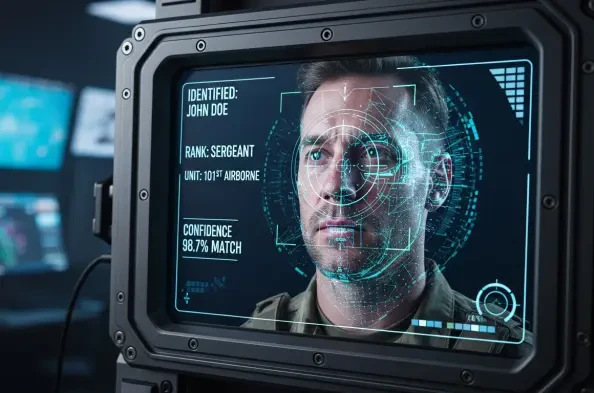
A pair of sleek designer frames resting on a café table now possesses the raw power to cross-reference a human face against millions of digital profiles in less than a second. This technological leap signifies the metamorphosis of high-fashion accessories into sophisticated biometric data collection tools that operate with military precision. Meta currently commands a dominant position in this burgeoning market, leveraging iconic partnerships with brands like Ray-Ban and Oakley to mask industrial-grade sensors behind a veneer of civilian style.
The boundary between mass-market electronics and high-stakes surveillance hardware is blurring at an unprecedented rate as sensors become smaller and more capable. Social media giants are gravitating toward military-grade identification software to bridge the gap between digital accounts and physical presence in the real world. This trend turns unsuspecting users into mobile nodes for a vast, distributed observation network that functions without the traditional visibility of law enforcement equipment.
The Intersection of Consumer Wearables and Advanced Surveillance Systems
The transformation of eyewear into biometric tools has forced a reimagining of public privacy and personal space. By embedding cameras and processors into familiar frames, tech companies have successfully bypassed the social friction usually associated with wearing visible recording equipment. This normalization of high-tech glasses allows for the seamless integration of data collection into every social interaction, making the act of looking synonymous with the act of identifying.
Stakeholders in the tech sector are increasingly interested in software that can handle the massive influx of visual data generated by these devices. The move toward military-grade software is driven by the need for speed and reliability that standard commercial algorithms often lack. For these companies, the ability to instantly recognize a person on the street represents the next frontier in personalized advertising and social networking.
Analyzing the Synergy Between Big Tech and Defense Contractors
The Rise of Dual-Use Algorithms and Real-Time Biometric Identification
Internal research and software developments have pointed to the integration of sophisticated facial recognition code within consumer-facing applications. Projects such as NameTag have explored the potential for real-time identification by utilizing engines that were originally designed for battlefield use. These dual-use algorithms allow a device to cross-reference a captured image with massive online databases, effectively removing the anonymity previously afforded to individuals in public spaces.
The inclusion of liveness detection technology adds another layer of complexity to these systems, as it distinguishes between a living human and a static decoy or photo. This specific capability was perfected in high-security environments to prevent unauthorized access and is now being repurposed for consumer hardware. Such transitions demonstrate how battlefield-tested tools, including long-range recognition capabilities, are migrating into civilian urban environments.
Market Trajectories and the Scaling of Mobile Facial Templates
Growth projections from 2026 to 2028 suggest that the infrastructure for mobile biometric identification will scale to manage millions of facial templates simultaneously. Performance data from engines developed by firms like Rank One Computing reveals that these systems can maintain high accuracy even in the chaotic environments of commercial districts. The tech industry is currently engaged in a silent arms race to see which platform can most effectively catalog the physical world.
This scaling process is supported by the increasing adoption of cloud-based biometric databases that synchronize with wearable hardware. As more consumers adopt these devices, the sheer volume of templates expands, creating a more comprehensive map of human movement. This expansion is not merely a technical milestone but a market-driven effort to lock users into ecosystems