
Data Governance

The rapid acceleration of global digital transformation has fundamentally redefined the corporate perimeter, forcing high-level executives to view data protection as a core business risk rather than a secondary technical concern. Previously, encryption was often relegated to the backrooms of information technology departments, treated as a basic
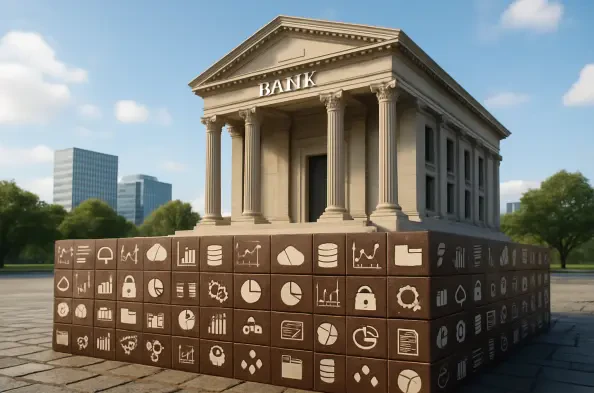
The rapid evolution of global financial markets has reached a stage where the sheer volume of information processed daily determines the survival or failure of the world’s largest banking institutions. In this modern environment, data is no longer merely a secondary byproduct of financial transactions; it has emerged as the core asset that defines
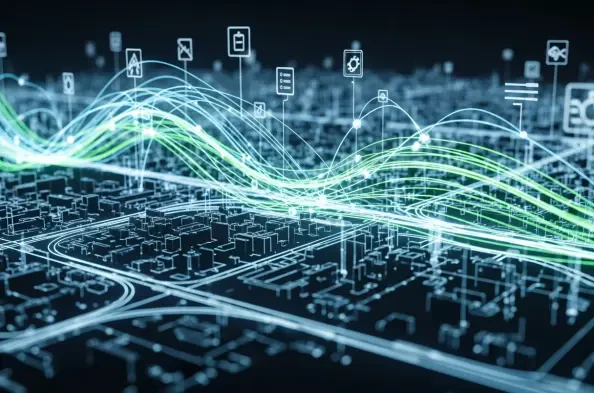
The sheer complexity of modern urban living often hides behind the smooth asphalt of a city street, where thousands of miles of vital utilities pulse just beneath the surface. For decades, the management of these assets relied on fragmented records and anecdotal knowledge, leading to costly delays and public frustration during routine maintenance.

The rapid transition from static chatbots to autonomous agentic systems has fundamentally restructured how enterprises perceive digital productivity and the underlying risks of automated decision-making. In this contemporary environment, technology no longer merely assists humans by providing information but actively executes complex workflows by
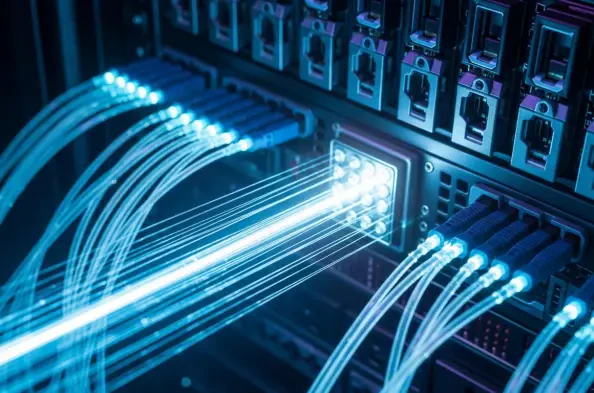
The sheer velocity of modern software delivery has reached a point where the traditional constraints of syntax and manual logic entry are no longer the primary inhibitors of progress for high-performing engineering teams across the globe. As artificial intelligence continues to automate the heavy lifting of code generation, the industry is
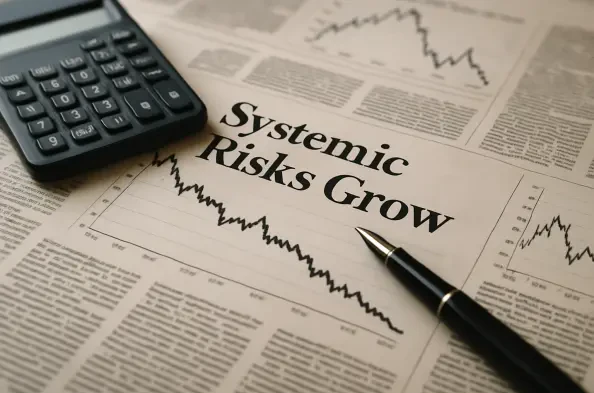
As the digital landscape becomes increasingly treacherous, Vernon Yai has emerged as a cornerstone of the data protection community. With a career dedicated to the nuances of data governance and privacy, he has witnessed firsthand the evolution of risk from simple data breaches to systemic, global threats that can paralyze entire industries. His