
Data Governance

Vernon Yai is a preeminent figure in the world of data governance and privacy, bringing years of experience in navigating the treacherous waters of risk management. His work focuses on the intersection of technological innovation and the ethical safeguards required to protect sensitive information in an increasingly automated world. As
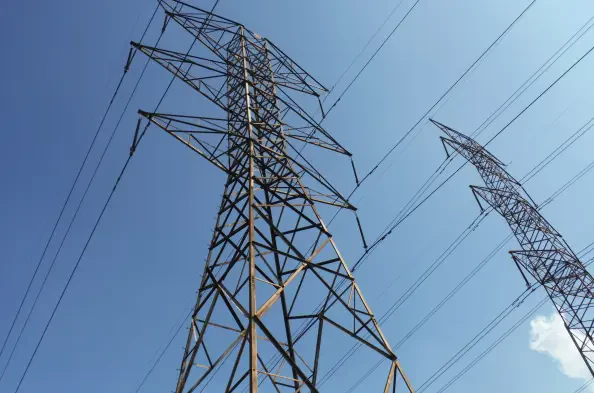
The rapid integration of high-performance computing and expansive electric vehicle networks has pushed the American power grid into a period of forced evolution, where the speed of technological adoption significantly outstrips the development of defensive cyber protocols. This transition marks a departure from the legacy model of centralized

Vernon Yai stands at the intersection of technological progress and rigorous data stewardship, bringing a career’s worth of insight into how modern enterprises must evolve to survive an era of rapid AI adoption. As a seasoned expert in data protection and privacy, he has witnessed the shift from IT being a back-office service provider to a

The digital security landscape has transformed into a complex battlefield where the assumption of absolute safety is increasingly viewed as a dangerous fallacy by both security professionals and casual users alike. For the better part of the current decade, Microsoft has aggressively marketed its Windows Defender suite as the definitive solution

In an era where high-speed connectivity defines every professional and social interaction, running out of mobile data at a critical moment can feel like a digital blackout. For smartphone users in 2026, the complexity of background sync services and high-definition streaming means that a monthly data allotment can vanish in a matter of days

The pervasive nature of Bluetooth technology has transformed the way humans interact with their immediate environment by creating a seamless web of interconnected devices that communicate silently in the background. As of 2026, the average person carries multiple active transmitters, ranging from sophisticated medical monitors to high-fidelity