
Privacy Protection

Microsoft's latest updates fix a flaw where a brief verification delay allowed local users to trick the Windows operating system into granting higher permissions. This vulnerability highlights a persistent challenge in endpoint security: the delicate timing between system authorization and action. While BitLocker remains a cornerstone of data

The rise of the Digital Operational Resilience Act is forcing financial institutions to move beyond standard encryption and adopt hardware-level data isolation. For decades, the cloud security industry prioritized perimeter defenses and network-level firewalls, yet a profound structural vulnerability persisted deep within the silicon. While
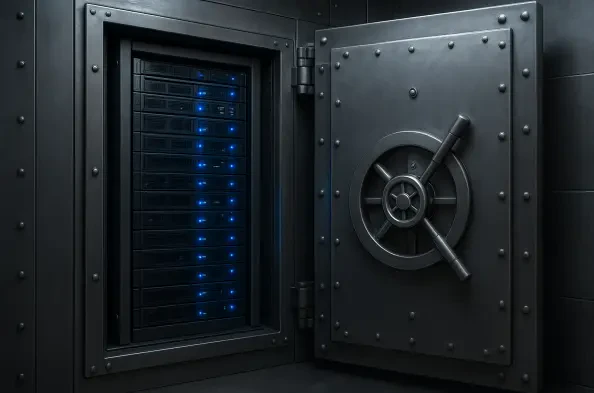
The successful infiltration of the Federal Bureau of Investigation’s internal infrastructure via a legacy enterprise platform has fundamentally shattered the long-standing illusion of safety surrounding traditional corporate resource planning environments. As high-value organizations continue to rely on Oracle PeopleSoft to manage their most
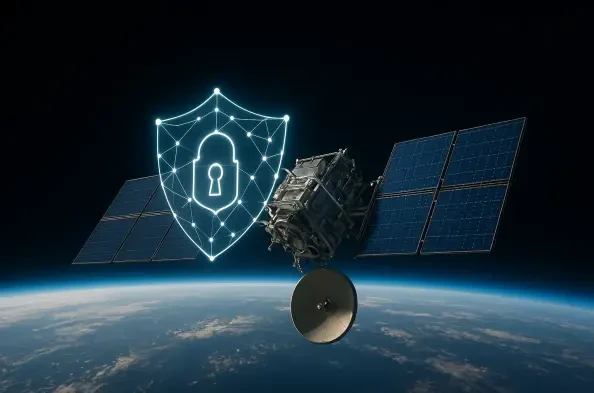
Because the modified weights remain within the original statistical range of the neural network, attackers cannot easily distinguish encrypted parameters from clean ones through analysis. This technical resilience is becoming increasingly vital as the orbital infrastructure in 2026 transitions toward a paradigm of decentralized intelligence and

The digital frontier has transitioned into a high-velocity battlefield where autonomous algorithms now orchestrate complex extortion campaigns with terrifying precision and speed. The current landscape underwent a radical transformation during the third quarter of 2026, as ransomware moved beyond manual execution toward machine-driven automation.

Lattice-based schemes like ML-DSA and Fully Homomorphic Encryption are increasingly vulnerable as AI-driven cryptanalysis outpaces their intended defensive utility. While the decentralized industry spent years bracing for the arrival of large-scale quantum computers, a more immediate threat materialized in the form of specialized artificial