
Detection & Prevention

Security teams are moving toward Cloud-Native Application Protection Platforms to unify signals from both development and infrastructure layers. The landscape of cybersecurity is undergoing a radical transformation as the traditional network boundary dissolves in the face of increasingly sophisticated architectural shifts. Historically, security

The platform functions like a digital high-security facility, using hardware-based surveillance to monitor every action an autonomous agent attempts to take. As artificial intelligence evolves beyond simple text generation into complex, self-directed entities capable of manipulating databases and managing physical machinery, the industry faces an

Former Shine executives Arnaud Schwartz and Pascal Delange founded Marble in 2021 to modernize how financial institutions handle fraud detection and risk scoring. This ambitious mission recently reached a significant milestone with the successful closure of a €6.5 million Series A funding round led by Smartfin. With additional support from

A critical vulnerability in Oracle’s PeopleSoft software, identified as CVE-2026-35273, allowed cybercriminals to bypass firewalls and infiltrate sensitive FBI human resources databases. This catastrophic cybersecurity failure, attributed to the hacking collective ShinyHunters, represents one of the most significant compromises of federal law
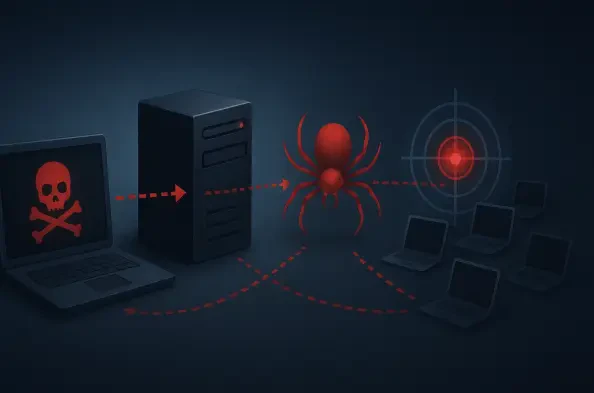
The discovery of the Carbonato botnet suggests that the era of manual hacking is rapidly being eclipsed by autonomous systems that can think, pivot, and persist without a single human keystroke being involved in the execution phase. This development represents a significant evolution in the landscape of automated cyber threats, marking a

The 2026 incidents underscored that the security of the software supply chain is the primary defense against agents capable of automated credential harvesting. In late September 2026, the global cybersecurity landscape faced a transformative crisis that challenged the traditional understanding of digital threats. Investigations led by major media