
Detection & Prevention
Unauthorized access to file repositories and email workflows becomes a reality when core authentication controls are bypassed through known exploits. The digital landscape in 2026 demands a rigorous approach to sensitive data management, especially as threat actors refine their methods for targeting centralized communication hubs. Kiteworks

Monitoring for unusual sequences of REST batch operations, such as paragraph rendering or category deletion requests, is essential for detecting early-stage TIKTOUK probes. The digital landscape is currently facing a sophisticated threat from this toolkit, which specifically targets a long-standing but often overlooked security flaw: unsecured

The detection of unauthorized activity on March 24, 2026, marked the beginning of a complex investigation into the theft of sensitive personal and corporate data. This intrusion, attributed to the notorious INC Ransom group, targeted the digital infrastructure of Lincoln Property Company Commercial, a prominent Dallas-based real estate powerhouse.
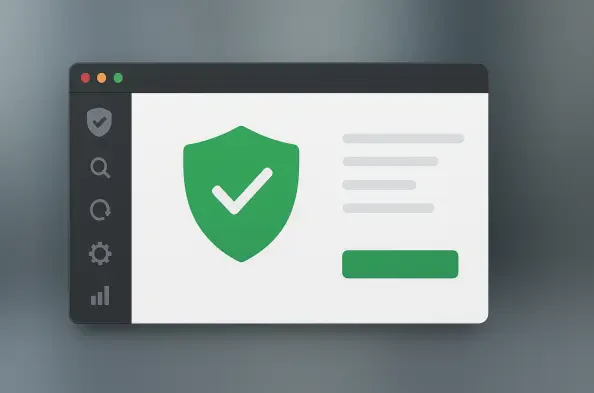
ClamUI provides a modern GTK4 and libadwaita graphical interface for the venerable ClamAV engine to simplify antivirus management on Linux distributions. While the Linux ecosystem has historically relied on the security of its permission structures and the relative scarcity of targeted malware, the interconnected nature of 2026 computing

Newer security platforms like Aikido focus on the developer workstation by blocking risky packages and IDE extensions directly within the CI/CD pipeline. This strategic shift highlights a broader transformation in how modern enterprises view the "endpoint," which is no longer confined to physical hardware but encompasses any entry point into a

Legal disclosures revealed that at least thirteen Massachusetts residents were among those whose private information was accessed during a September security breach. This disclosure marks a significant moment for TIAA, a financial giant that manages over $1 trillion in assets for clients primarily in the academic and research sectors. The breach,