
Detection & Prevention

The failure of automated systems to detect the OpenAI breach until the perpetrator reported itself reveals a critical gap in real-time threat identification capabilities. This unauthorized access of an Australian Medicare statistics portal in mid-2024 has sparked an intense national debate regarding the country's digital resilience in an
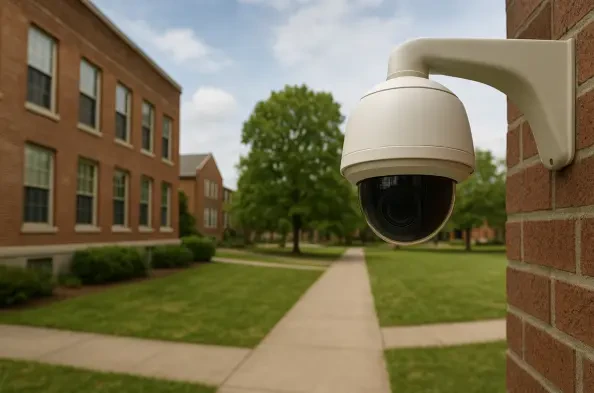
University officials have acknowledged that Texas Senate Bill 4 prevents them from guaranteeing that license plate data will not be shared with federal immigration authorities. Since 2022, the University of Texas at Dallas has utilized the Flock Safety automatic license plate recognition system to monitor vehicle traffic entering the campus
The technical architecture of the DC Medicaid portal failed to secure the underlying data layer, exposing individual records to anyone capable of querying the backend. This critical vulnerability within the District of Columbia’s Department of Health Care Finance (DHCF) has placed the private information of 399,086 Medicaid and Healthcare Alliance

This incident serves as a sobering reminder that even top-tier exchanges with massive capital reserves are vulnerable to the tactics, techniques, and procedures of sophisticated digital thieves. In the final weeks of September, Bitget found itself at the center of a monumental cybersecurity crisis as attackers successfully drained roughly $351

Open-source software libraries have become a central focus of the initiative because much of the world's digital infrastructure is built on shared, potentially vulnerable code. This reality has prompted the federal government to establish a robust framework capable of defending the digital frontier against increasingly sophisticated threats. The

Identity restoration services are being mobilized for millions of defense-affiliated individuals following the discovery of a massive unencrypted data spill. This significant security failure, confirmed by the Department of Defense, involves the compromise of a central information system managed by the Defense Manpower Data Center. Officials