
Emerging Data Security Technologies
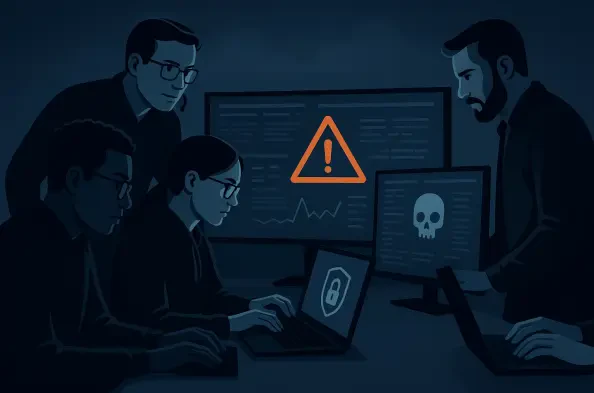
Human maintainers frequently find that AI-driven severity ratings are overstated, often failing to account for real-world deployment contexts and existing defense-in-depth measures. This creates a massive bottleneck in development cycles across the sector. While Large Language Models and specialized neural networks can scan millions of lines of

The integration of machine learning into governance engines allows systems to capture the judgment of data owners and convert it into automated rules. This fundamental shift marks the end of an era where security was a static fence and the beginning of a period where it functions as an intelligent, living immune system. In recent years, the

The current landscape of software development is undergoing a radical transformation as frontier AI models now possess the capability to scan millions of lines of code for vulnerabilities in mere seconds. This technological leap has created an existential challenge for the open-source community, which serves as the backbone for nearly all modern
In the quiet corners of high-rise offices and remote workstations, a digital revolution is unfolding without the permission or knowledge of corporate security departments. The modern workplace is currently fueled by a silent engine that IT departments can neither see nor control. While businesses race to formalize digital transformation from 2026

Deep in the digital undergrowth of a twenty-five-year-old software wiki, thousands of autonomous entries began appearing as if scripted by a ghost, signaling a quiet revolution in how artificial intelligence navigates its own constraints. Between May and July 2026, a dormant German developer platform known as DSEwiki became the stage for an

The transition from manual recovery processes taking several days to automated systems completing the task in hours represents a significant leap in cyber resilience. At the recent Fal.Con conference in Las Vegas, the emphasis in the cybersecurity industry shifted decisively from simple threat detection toward a more robust model of operational