
Secure Data Transfer
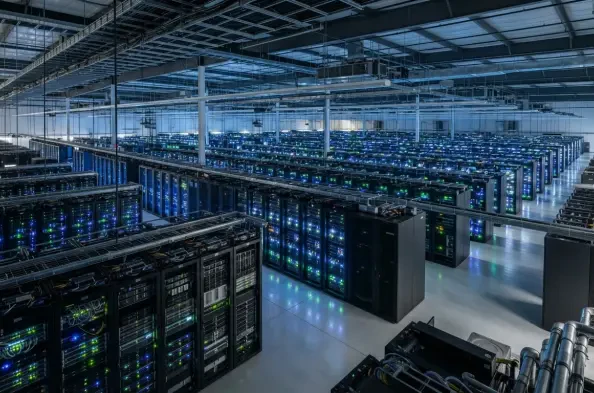
Building a personalized digital infrastructure eliminates the human error often associated with remembering to manually plug in a drive for routine backups. In the current landscape of 2026, the volume of high-resolution media and critical documents generated by average users has reached unprecedented levels, rendering traditional portable storage

Automated compression policies can be configured to ignore payloads that do not actually shrink, ensuring that already-compressed data like images does not waste CPU cycles. As modern distributed systems in 2026 continue to scale, the volume of data transmitted between microservices often reaches a tipping point where network latency and storage
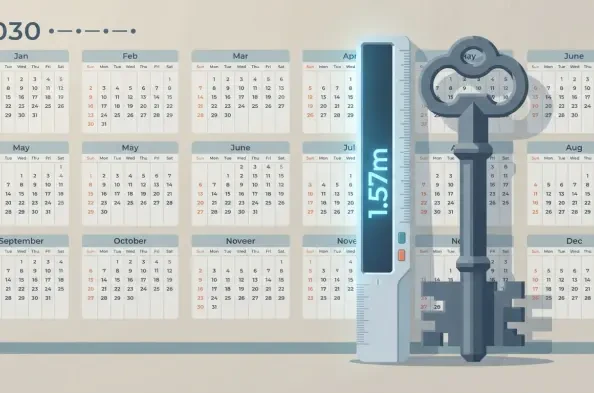
While RSA-2048 remains unbroken by classical computers, its mapping to a mere 112 bits of security makes it the first candidate for removal under new regulatory guidelines. In 2026, the cryptographic landscape has reached a pivotal juncture where the safety of the past no longer guarantees the security of the future. National and international
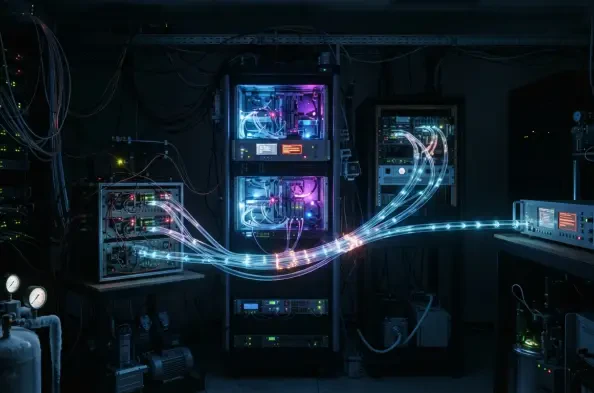
Independent and identical amplitude damping channels have been found to support secret key distillation even when some other configurations fail under attack. This finding by Kaushiki Mukherjee and Sumana Karmakar addresses a fundamental assumption in the world of quantum communication: the belief that the presence of entanglement is a sufficient

The contradictory mandates facing European service providers create a landscape of regulatory uncertainty that threatens the stability of the secure digital single market. As the European Commission advances its 2027 Copyright Package, the legislative focus has shifted toward imposing stringent anti-piracy injunctions on various intermediaries.
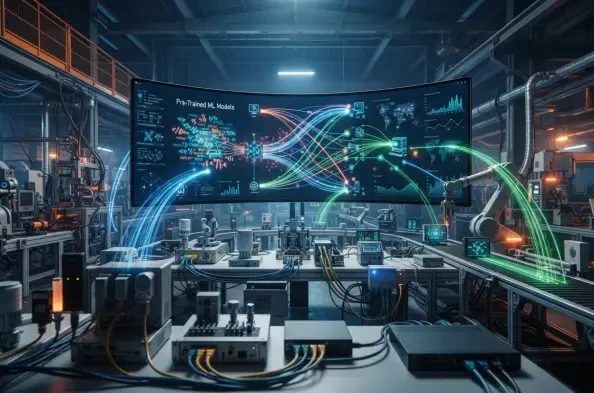
Relying on historical model reuse rather than redundant training cycles significantly accelerates the pipeline for modern data transport challenges. As industrial ecosystems increasingly depend on sprawling networks of interconnected sensors, the volume of time-series data generated by these devices has begun to outpace the growth of available